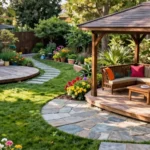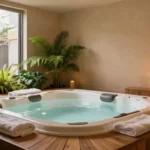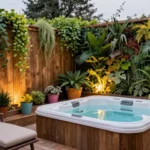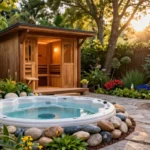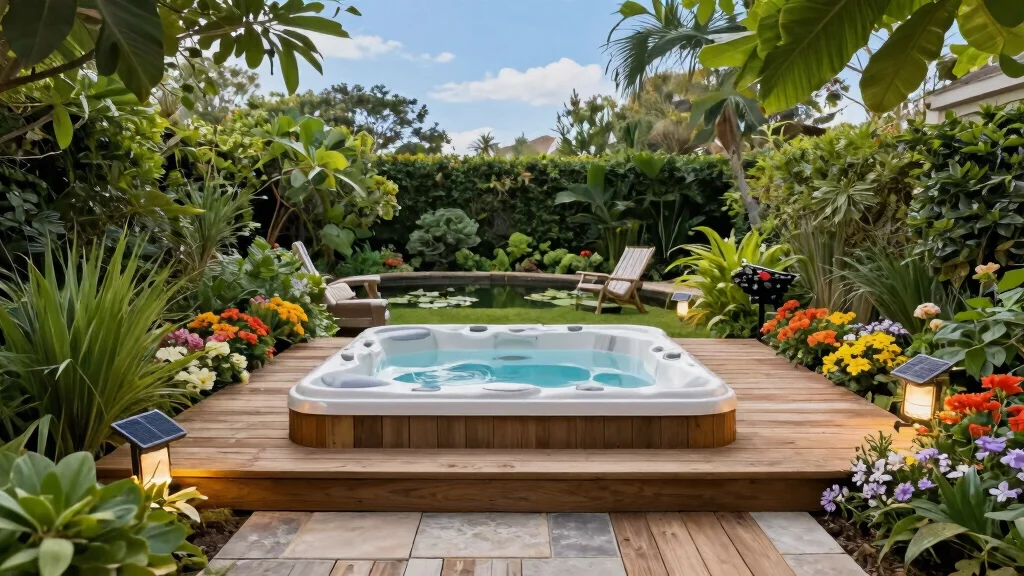
Creating the perfect hot tub experience goes beyond just the spa itself; it starts with a solid foundation. As more people look to enhance their outdoor spaces, I felt it was time to shine a light on how to properly install your hot tub. This post is packed with essential hot tub foundation ideas that ensure your outdoor oasis is not only beautiful but also safe and level.
If you’re a homeowner or gardening enthusiast eager to create an inviting outdoor spa area, this guide is tailored for you. You care about aesthetics and practicality, and you want to make sure your hot tub is installed correctly. Whether you’re a DIY novice or an experienced gardener, you’ll find the information here valuable for creating a stable base for your hot tub.
In this post, you’ll discover six of the best hot tub foundation ideas. From gravel beds to natural stone bases, each option offers unique benefits. By the end, you’ll feel confident in choosing the right hot tub base option that aligns with your landscaping vision while ensuring a safe outdoor spa installation.
Key Takeaways
– Consider various hot tub base options like gravel beds and wooden decks for stability and ease of installation.
– Using leveling techniques for hot tubs is crucial; a well-leveled foundation prevents water issues and structural damage.
– Explore safe foundation materials that suit your garden’s aesthetic and durability requirements, including natural stones and concrete.
– Incorporate garden landscaping tips to blend your hot tub seamlessly into your existing outdoor space, enhancing its appeal.
– Each foundation idea is designed to provide a secure and functional base, ensuring your hot tub remains a relaxing retreat for years to come.
1. Gravel Bed Foundations
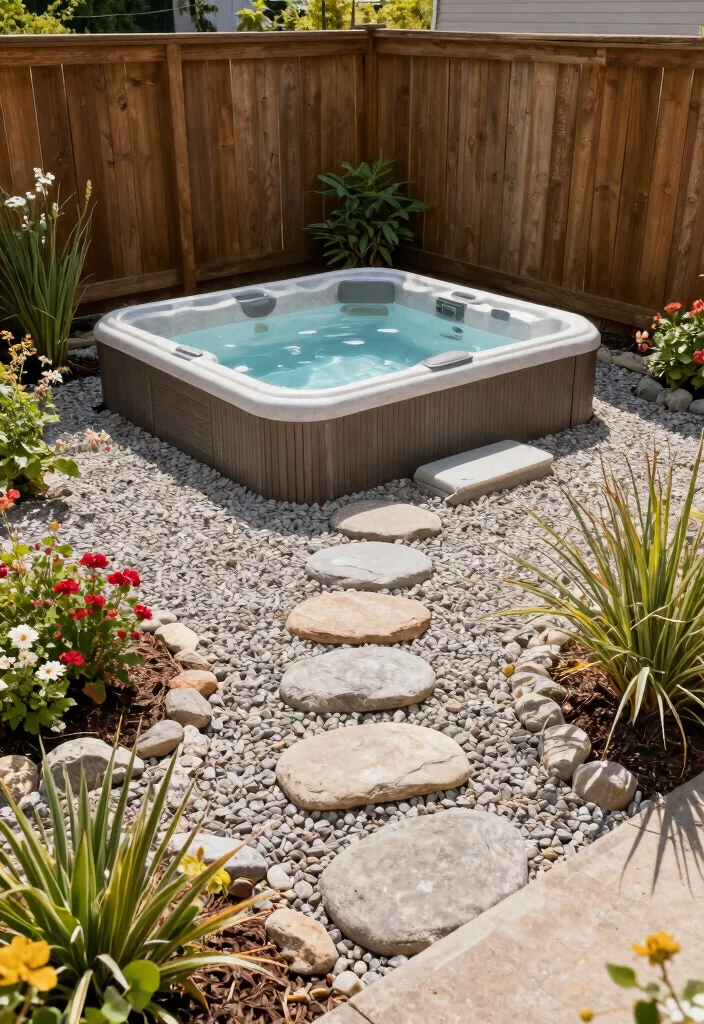
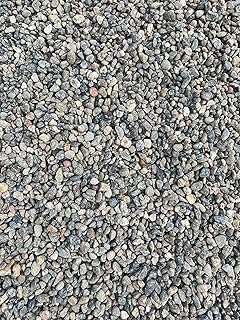
A gravel bed foundation is a straightforward and eco-friendly choice for your hot tub. This method uses crushed stone, making it affordable and excellent for drainage, which is crucial in keeping your area dry and functional. You’ll appreciate how easy it is to maintain and how well it integrates with your outdoor landscape.
To get started, dig out a level area and pour a few inches of gravel. This not only helps with water drainage but also prevents muddy patches around your hot tub. It’s a low-maintenance solution that offers reliability.
Tips for a successful gravel bed foundation:
– Use larger gravel stones for better stability.
– Compact the gravel to ensure it’s level and firm.
– Consider edging with stones to keep the gravel contained.
This foundation type complements natural elements beautifully, making it a perfect choice for garden lovers.
Gravel bed foundations drain water up to 30% faster, keeping your hot tub area dry and ready. With just a few inches of gravel, you create an eco-friendly base that’s easy to maintain and blends with your landscape. It’s a practical, cost-savvy foundation idea you can trust.
Gravel Bed Foundations
Editor’s Choice




2. Wooden Deck Platforms
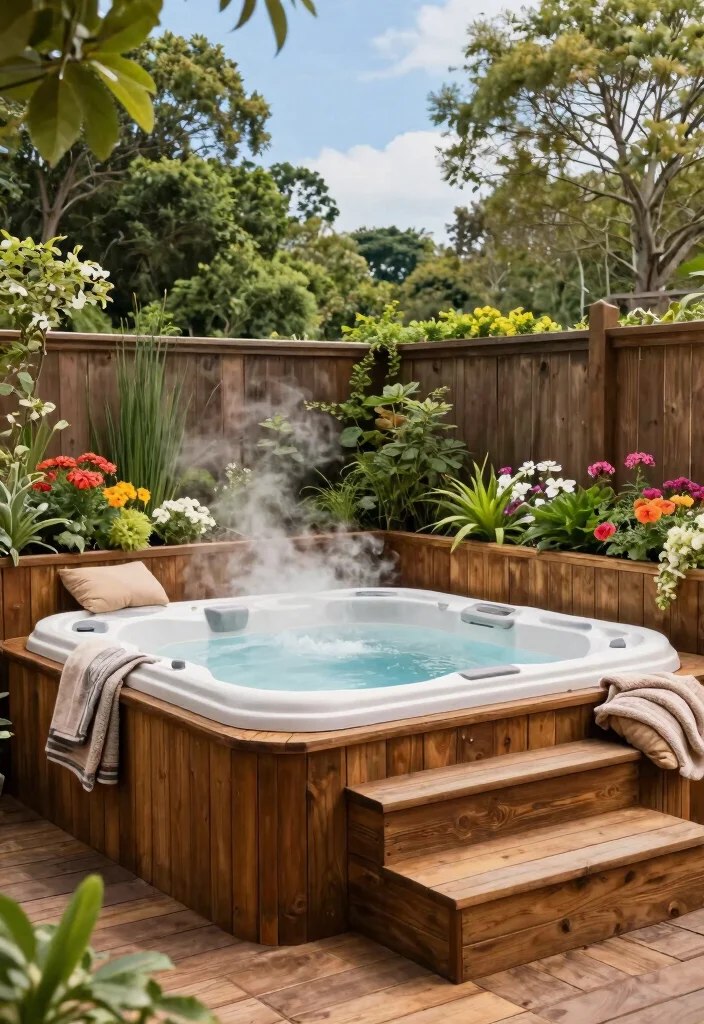
Building a wooden deck around your hot tub gives you a sturdy foundation and adds a touch of style to your outdoor space. You can customize the size and shape of the deck to match your garden’s theme, making it not just functional but also visually appealing. Choosing treated wood will help protect your deck from moisture damage.
When constructing your deck, ensure you create a strong frame with cross-bracing for extra support. This way, your hot tub remains stable and secure.
Key considerations for deck platforms:
– Build a strong frame with cross-bracing for support.
– Use anti-slip materials for safety.
– Incorporate built-in seating or planters for added functionality.
A wooden deck enhances your garden’s charm and invites gatherings, especially if you opt for sustainably sourced timber.
Wooden Deck Platforms
Editor’s Choice

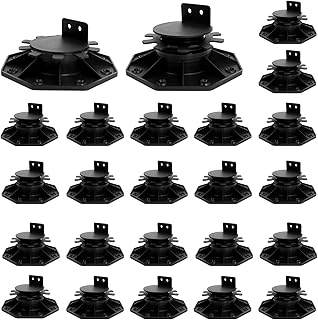


3. Concrete Slab Foundations
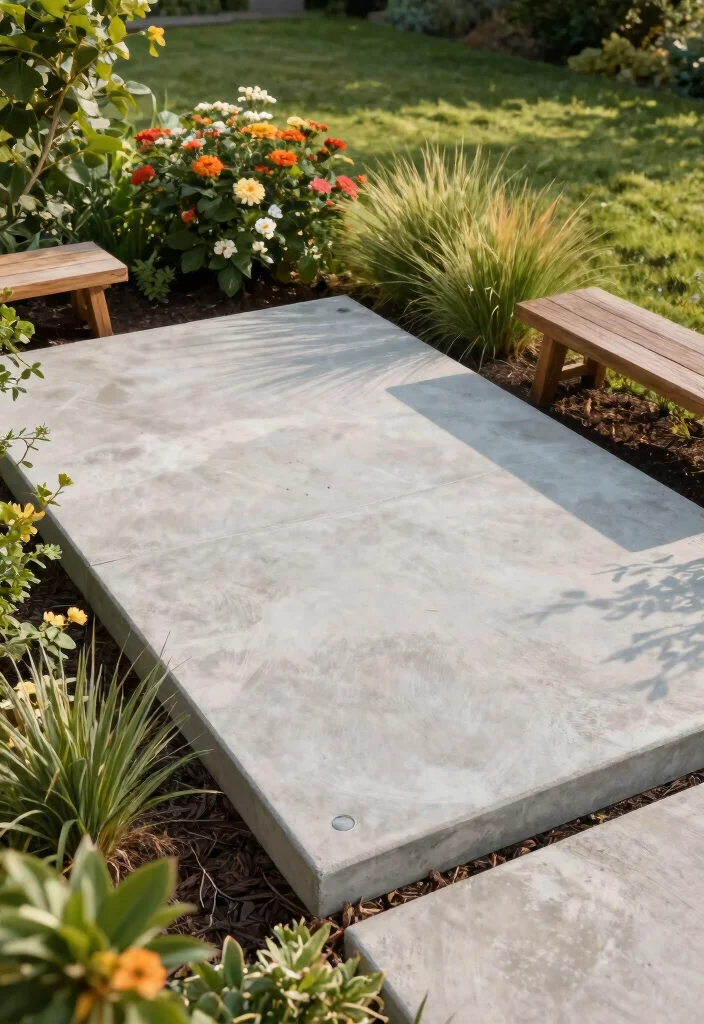
If durability is what you seek, a concrete slab is an excellent choice for your hot tub foundation. This sturdy base can handle the weight of the water while providing longevity and stability for years to come. Pouring a concrete slab involves leveling the ground and reinforcing it with steel rebar for added strength.
For optimal support, aim for a thickness of at least 4 inches. This ensures that your hot tub remains secure and prevents any shifting over time.
Benefits of a concrete slab:
– Exceptional weight distribution reduces the risk of structural issues.
– Minimal maintenance required once installed.
– Can be designed with textured finishes for added style.
This foundation option suits permanent installations beautifully and can be seamlessly integrated into your garden’s design.
Concrete Slab Foundations
Editor’s Choice


4. Paver Stone Bases
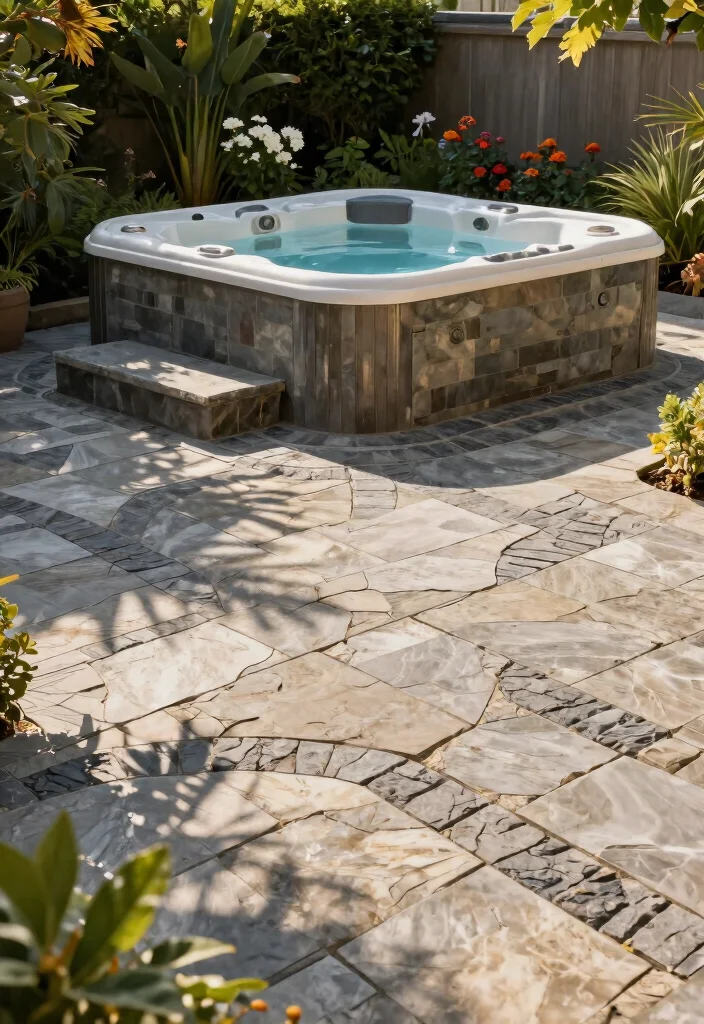
Paver stones provide a versatile and stylish foundation for your hot tub. By laying interlocking stones in a pattern, you create a visually appealing and durable surface. This option not only looks great but also offers great functionality.
Start with a compacted gravel base and arrange the pavers in your preferred design. This method allows for creative expression while ensuring a solid foundation.
Why choose paver stones?
– They provide excellent drainage, preventing water pooling.
– Easy to replace individual stones if necessary.
– Available in various colors and designs to suit your style.
A paver stone base elevates the look of your hot tub and enhances your garden’s elegance.
Fun fact: paver stones with a compacted gravel base can improve drainage by up to 40% for hot tub foundation ideas. Lay interlocking stones in a pattern you love, and you’ll enjoy a durable, level surface that’s easy to maintain.
Paver Stone Bases
Editor’s Choice
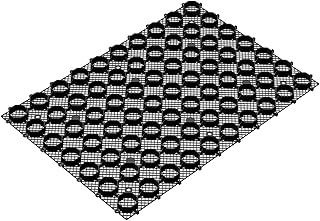


5. Natural Stone Bases
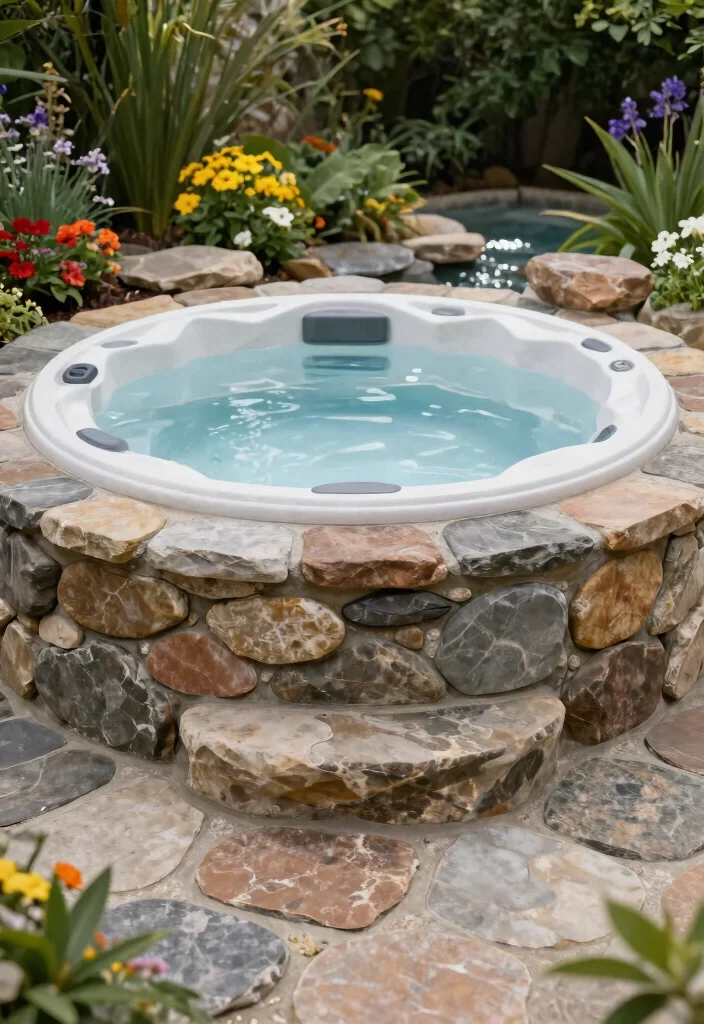
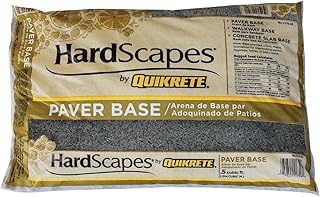
For a more organic vibe, a natural stone base is a fantastic option for your hot tub. This foundation harmonizes beautifully with the surrounding environment, offering a rustic look that is unique to your space. Choosing flat stones allows for an easy leveling process while providing natural drainage.
Arrange the stones to create a solid base that can withstand the elements. This foundation complements the organic feel of your garden.
Consider these points when using natural stone:
– Choose stones that are flat and sturdy for better stability.
– Ensure the ground beneath is compacted to avoid shifting.
– Incorporate greenery and mulch around the stones for a cohesive look.
A natural stone base adds rustic charm to your garden while blending perfectly with natural landscaping.
Fun fact: Flat natural stones with proper drainage can cut leveling time in half for a hot tub foundation. This eco-friendly approach aligns with hot tub foundation ideas and keeps your garden looking natural. Arrange stones snugly to form a solid, durable base that withstands the elements.
Natural Stone Bases
Editor’s Choice
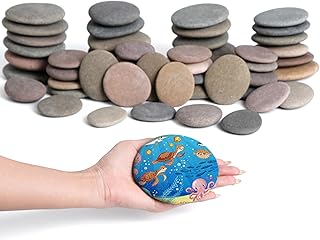


Key Trade-offs & Our Top Pick
1. Gravel Bed Foundations
– Pros:
– Easy to install and requires minimal tools.
– Provides excellent drainage, reducing water accumulation.
– Cost-effective compared to other options.
– Cons:
– Can shift over time, leading to uneven surfaces.
– Requires regular maintenance to keep gravel in place.
– Not ideal for heavy hot tubs without proper reinforcement.
– Best for: Homeowners looking for a budget-friendly option with decent drainage capabilities.
2. Wooden Deck Platforms
– Pros:
– Creates a beautiful, natural look that enhances outdoor aesthetics.
– Can be built at any height to suit your garden layout.
– Easy to customize and expand as needed.
– Cons:
– Susceptible to rot and weather damage without proper treatment.
– May require periodic staining or sealing.
– More expensive than gravel options.
– Best for: Those who want a stylish and functional base that blends well with garden landscaping.
3. Concrete Slab Foundations
– Pros:
– Extremely durable and stable for heavy hot tubs.
– Provides a solid, level surface that requires little maintenance.
– Resistant to pests and weather-related wear.
– Cons:
– Labor-intensive and requires significant time and effort to install.
– Higher upfront cost compared to other materials.
– Not very eco-friendly due to the carbon footprint of concrete production.
– Best for: Homeowners looking for long-term stability and durability in their hot tub foundation.
4. Paver Stone Bases
– Pros:
– Offers a visually appealing, customizable surface with various design options.
– Allows for good drainage and air circulation.
– Easy to replace individual stones if damaged.
– Cons:
– Installation can be more complex than gravel or wood.
– May settle unevenly over time, requiring periodic leveling.
– Higher costs associated with quality pavers.
– Best for: Consumers wanting a unique, attractive foundation that stands out in outdoor spa installations.
5. Natural Stone Bases
– Pros:
– Provides a rustic and natural aesthetic that blends well with nature.
– Extremely durable and can withstand harsh weather conditions.
– Offers excellent drainage capabilities.
– Cons:
– Expensive and labor-intensive to install.
– Can be uneven, requiring careful planning during installation.
– Limited availability in some regions.
– Best for: Those who prioritize natural beauty and have a budget for high-quality materials.
6. Raised Planters as a Base
– Pros:
– Innovative use of space that adds greenery and beauty to your yard.
– Keeps hot tub elevated, improving accessibility and drainage.
– Doubles as a garden space for plants or flowers.
– Cons:
– Requires careful design to ensure stability for the hot tub.
– More complex installation involving soil and plant selection.
– Higher initial investment due to materials and design work.
– Best for: Garden enthusiasts wanting to integrate their hot tub into a flourishing outdoor space.
Best Overall: Concrete Slab Foundations
Concrete slab foundations truly shine as the best overall choice for most people. They offer unmatched durability and stability, ensuring your hot tub remains level over time. While the initial cost and installation effort may be higher, the long-term benefits far outweigh these factors. You’ll enjoy peace of mind knowing your hot tub is on a solid foundation that can withstand the test of time.
Why We Picked This:
We understand that some readers may prefer different options depending on their unique needs. If you’re on a tight budget, a gravel bed might suit you better. For those seeking a natural look, wooden or natural stone bases could be ideal. No matter your choice, ensure you consider your specific landscape, hot tub size, and personal preferences for the best outcome. 💡
6. Raised Planters as a Base
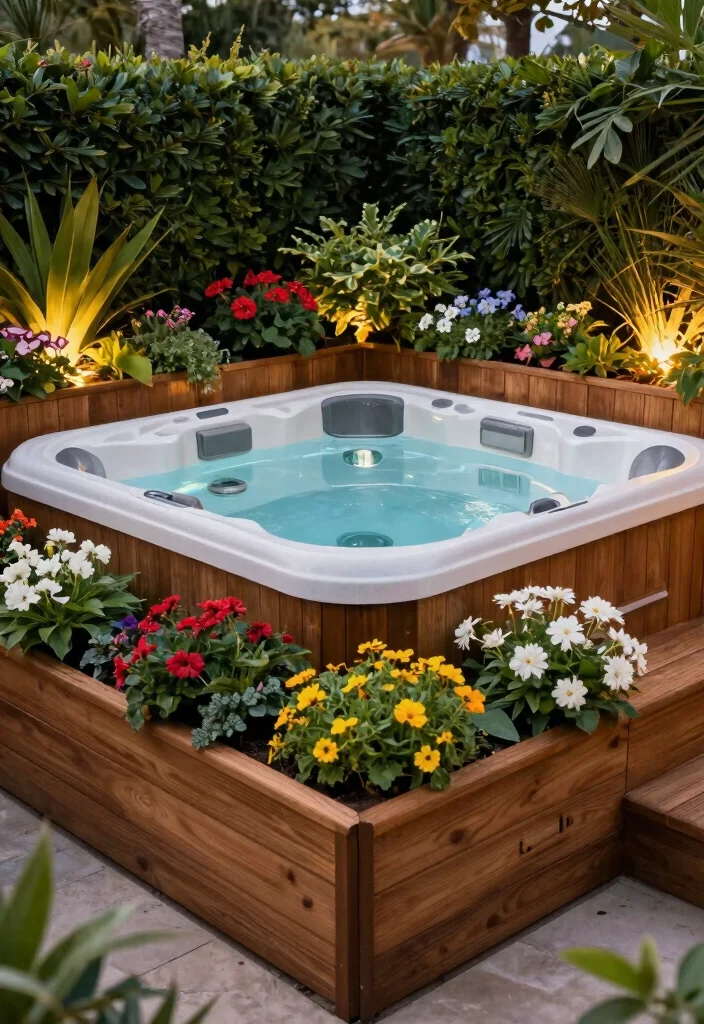
Utilize raised planters as a creative foundation for your hot tub, merging beauty and functionality. This innovative approach not only elevates your hot tub but also integrates it beautifully into your garden landscape. Ensure that the planters are constructed from durable materials to support the weight.
By surrounding your hot tub with raised planters, you create a stable structure and a stunning garden feature. You can even grow aromatic herbs or colorful flowers to enhance your spa experience.
Benefits of using raised planters:
– They create a seamless transition from the hot tub to the garden.
– You can grow aromatic herbs or colorful flowers that enhance your spa experience.
– It adds height, which can be especially useful in uneven garden areas.
This foundation idea encourages creativity while ensuring your hot tub remains secure and level.
Conclusion
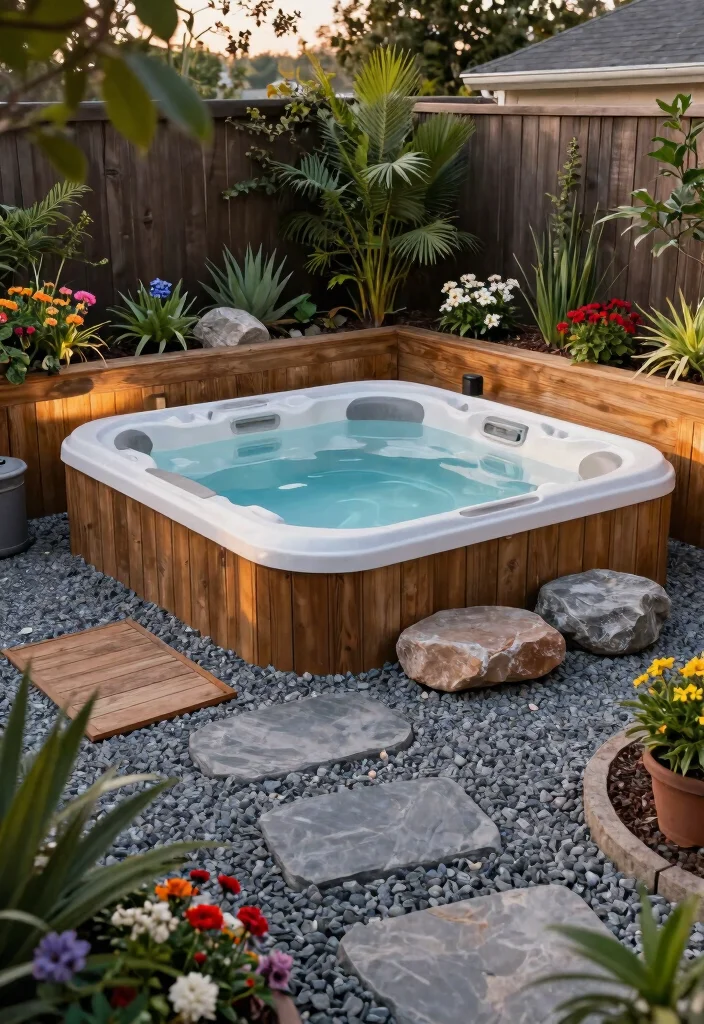
Choosing the right foundation for your hot tub is essential for safety, levelness, and overall aesthetic appeal in your garden.
From gravel beds to raised planters, each of these options offers unique benefits that can enhance your outdoor space.
Consider your garden layout, personal style, and maintenance preferences when selecting a foundation. Transform your backyard into a tranquil oasis where you can unwind and enjoy nature.
Note: We aim to provide accurate product links, but some may occasionally expire or become unavailable. If this happens, please search directly on Amazon for the product or a suitable alternative.
This post contains Amazon affiliate links, meaning we may earn a small commission if you purchase through our links, at no extra cost to you.
Frequently Asked Questions
Question: What are the most eco-friendly hot tub foundation ideas that keep a spa safe and level?
For an eco-friendly, safe, and level hot tub foundation, start with a solid, permeable base. Consider these options: compacted recycled gravel that drains naturally; permeable paver systems with gravel or crushed stone infill; gravel with a geotextile underlay to prevent mixing and improve stability; a slab-on-grade with a drainage layer that keeps water away from the tub; or a recycled composite decking frame with built-in drainage. Make sure you level it first using a laser level or bubble level, compact in several passes, and re-check level across multiple points. Add a moisture barrier under the base and ensure the final grade slopes away from the hot tub to protect the framing and surrounding garden.
Tip: choose materials that are permeable and easy to maintain with your garden landscaping tips.
Question: How do I choose the right hot tub base options for an eco-friendly garden without sacrificing safety?
Start by considering load, space, and drainage. For eco-friendly choices, aim for hot tub base options that are permeable and durable: compacted recycled gravel, permeable paver systems, or a gravel with geotextile underlay. Avoid heavy, non-permeable slabs in wet soils. Match your base to the garden landscape: ensure the base sits level using a laser level, then compact and re-check. Ensure installation supports the tub’s weight and allows water to drain away from the structure. Finally, align with your garden landscaping tips to keep it integrated with the space.
Question: What garden landscaping tips can help with an outdoor spa installation while keeping it eco-friendly?
Choose a spot that gets the right sun exposure and has natural wind protection. Plan drainage so water won’t pool near the tub, and use native, drought-tolerant plants to reduce irrigation. Create a low-maintenance path with eco-friendly pavers or stepping stones and add a permeable edging to keep soil in place. Consider a nearby rain garden to handle runoff, and use mulch to suppress weeds. By weaving the spa into your landscape, you’ll create a beautiful, sustainable setup that stays safe and level.
Question: What are effective leveling techniques for hot tubs to ensure safety and even weight distribution?
Begin with thorough site prep: clear debris and compact the soil. Use a laser level or precise bubble level to establish a flat plane. Place the base and check at multiple points along length and width. If a corner sits low, adjust with shims or a wedge under the base and re-check. Keep tolerances tight (aim for within 1/4 inch over 10 feet, or manufacturer guidance). After leveling, install a moisture barrier and ensure the final grade slopes away from the spa. Fill with water and re-check to confirm it stays level as it settles.
Question: What safe foundation materials are recommended for eco-friendly hot tub installations, and which should be avoided?
Great eco-friendly options include compacted recycled gravel, permeable paver systems, gravel with geotextile underlay, and recycled composite decking with proper drainage. These materials distribute weight well, drain water efficiently, and minimize maintenance. Avoid non-permeable concrete slabs unless you have a dedicated drainage plan, and steer clear of heavy fill or soils that don’t drain well. Choose sustainable timber or metal framing with appropriate support and moisture protection if you opt for a raised deck.
![9 Smart Solo Stove Fire Pit Ideas [No Smoke, Just Vibes]](https://archibula.com/wp-content/uploads/2026/04/9-Smart-Solo-Stove-Fire-Pit-Ideas-No-Smoke-Just-Vibes-150x150.webp)