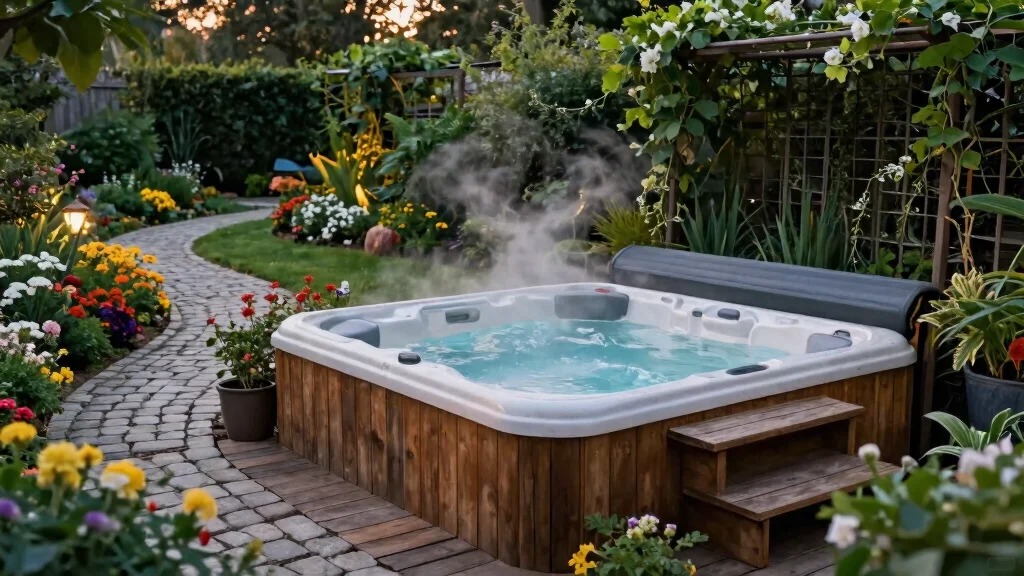
Hot tubs bring a sense of relaxation and joy, especially when integrated into your outdoor garden space. As the seasons change, you may find yourself craving that soothing soak under the stars or in the warmth of the sun. It’s easy to get lost in the bliss of your hot tub experience, but caring for it is just as important to ensure it lasts for years of enjoyment. This post was created to help you maintain the perfect soak and prolong the life of your hot tub.
If you’re a gardening enthusiast who loves blending nature with relaxation, this guide is tailored for you. You want a hot tub that not only feels great but also complements your outdoor retreat. You care about cleanliness, maintenance, and ensuring your spa water quality stays top-notch, so you can soak with peace of mind. With these ten essential hot tub care tips, you’ll have everything you need to keep your hot tub in prime condition.
Inside this post, you’ll discover practical advice on hot tub maintenance, effective water treatment methods, and cleaning techniques that make your life easier. Each tip is designed to help you enjoy an inviting hot tub atmosphere while ensuring longevity for your investment. Let’s get started!
Key Takeaways
– Regular water testing is essential for maintaining optimal spa water quality and ensuring safe soaks.
– Simple cleaning techniques can go a long way in keeping your hot tub pristine and enjoyable for all users.
– Effective water treatment is crucial for preventing bacteria growth and ensuring a safe soaking environment.
– Investing in a quality cover can significantly prolong your hot tub’s lifespan by protecting it from debris and temperature changes.
– Regular seasonal maintenance will help you keep your hot tub in great shape for year-round use, making it a true garden oasis.
1. Regular Water Testing for Optimal Spa Water Quality
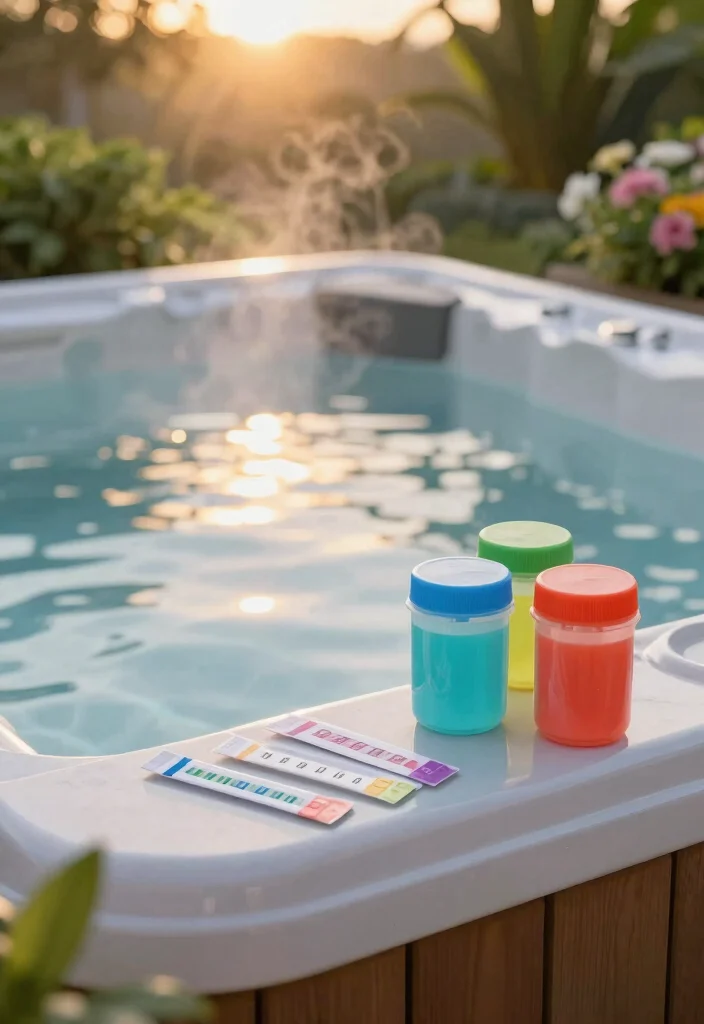
To truly enjoy your hot tub, maintaining excellent water quality is essential. Regular testing enables you to monitor chemical balance, like pH and sanitizer levels, ensuring a safe soaking experience. By investing in a reliable water testing kit, you can easily keep your water pristine. Aim to test at least once a week, especially during peak usage times.
Begin by checking your pH levels and keep them between 7.2 and 7.8. Focus on maintaining the correct sanitizer levels, whether you use bromine or chlorine. Don’t forget to monitor total alkalinity, which should be between 80-120 ppm.
Key water testing guidelines:
– Test water at least weekly to ensure safety.
– Adjust pH levels promptly to avoid skin irritation.
– Clean filters regularly for clear water.
Following these steps will help you maintain a healthy and inviting hot tub, making every soak a pleasure.
Fun fact: Regular water testing can cut sanitizer use by up to 30% and keep pH steady between 7.2 and 7.8. As part of hot tub care tips, weekly checks—especially during peak season—keep your spa crystal clear and safer for soaking.
Ongoing Maintenance & Care Guide
Maintenance Schedule:
Daily/Weekly Tasks:
– Test the water for pH and sanitizer levels. This takes about 10 minutes. Keeping water balanced improves spa water quality and safety.
– Clean the hot tub filter by rinsing it with a hose. This usually takes around 15 minutes. A clean filter ensures optimal performance and prolongs hot tub lifespan.
– Check the water level and add water if necessary. This task takes about 5 minutes. Maintaining the right level prevents pump damage.
– Wipe down the hot tub surfaces to remove dirt and oils. This is a quick task, taking only 5-10 minutes. Regular cleaning helps maintain a pleasant soaking environment.
Monthly/Seasonal Tasks:
– Replace or clean filters as recommended by the manufacturer. This may take 20-30 minutes. Fresh filters ensure better water circulation and spa efficiency.
– Shock the water with a sanitizing chemical to eliminate contaminants. This process takes about 30 minutes. Regular shocking helps maintain water clarity and safety.
– Inspect and clean the hot tub cover. This usually takes about 15 minutes. A clean cover protects the hot tub from debris and UV damage.
– Drain and refill the hot tub every 3-4 months. This task can take 1-2 hours, but it refreshes the water and maintains optimal spa water quality.
– Inspect the heater and pump for any unusual sounds or issues. This check takes about 20 minutes. Early detection can prevent costly repairs.
Maintenance Summary Table:
| Task | Frequency | Difficulty | Time Needed |
|—————————–|—————-|———————|—————|
| Water Testing | Daily/Weekly | Easy | 10 mins |
| Clean Filter | Daily/Weekly | Easy | 15 mins |
| Check Water Level | Daily/Weekly | Easy | 5 mins |
| Wipe Down Surfaces | Daily/Weekly | Easy | 5-10 mins |
| Replace/Clean Filters | Monthly | Moderate | 20-30 mins |
| Shock Water | Monthly | Moderate | 30 mins |
| Clean Hot Tub Cover | Monthly | Easy | 15 mins |
| Drain/Refill Hot Tub | Every 3-4 mos | High | 1-2 hours |
| Inspect Heater/Pump | Monthly | Moderate | 20 mins |
Common Issues to Watch For:
⚠️ Foamy Water: This can indicate high levels of contaminants or low sanitizer levels. If you notice foam, test your water and adjust the chemicals accordingly.
⚠️ Cloudy Water: This often means the water is not balanced. Check your pH and sanitizer levels immediately.
⚠️ Unusual Odors: A strong smell may suggest inadequate sanitation. It’s time to shock the water and test for chemical balance.
⚠️ Leakage: If you see water pooling around the hot tub, check for leaks. Ignoring this can lead to more significant issues down the line.
⚠️ Strange Noises: If the heater or pump is making odd sounds, investigate right away. This could indicate mechanical failure.
Care Tips:
💡 Cover Up: Always use a quality cover when the hot tub is not in use. This will keep the water clean, maintain temperature, and reduce chemical use.
💡 Limit Use of Oils: Avoid using oils or lotions before entering the hot tub. These can create scum and require extra cleaning.
💡 Educate Yourself on Chemicals: Understand how to properly balance your hot tub’s chemicals. This knowledge will keep your water clean and safe.
💡 Be Mindful of Surroundings: Keep debris away from the hot tub area. Regularly check for leaves, dirt, and insects that could affect the water quality.
💡 Enjoy the Atmosphere: Create a relaxing environment with lighting and plants. A well-maintained hot tub area can enhance your outdoor space and provide a perfect escape.
2. Keep the Hot Tub Clean with Simple Techniques
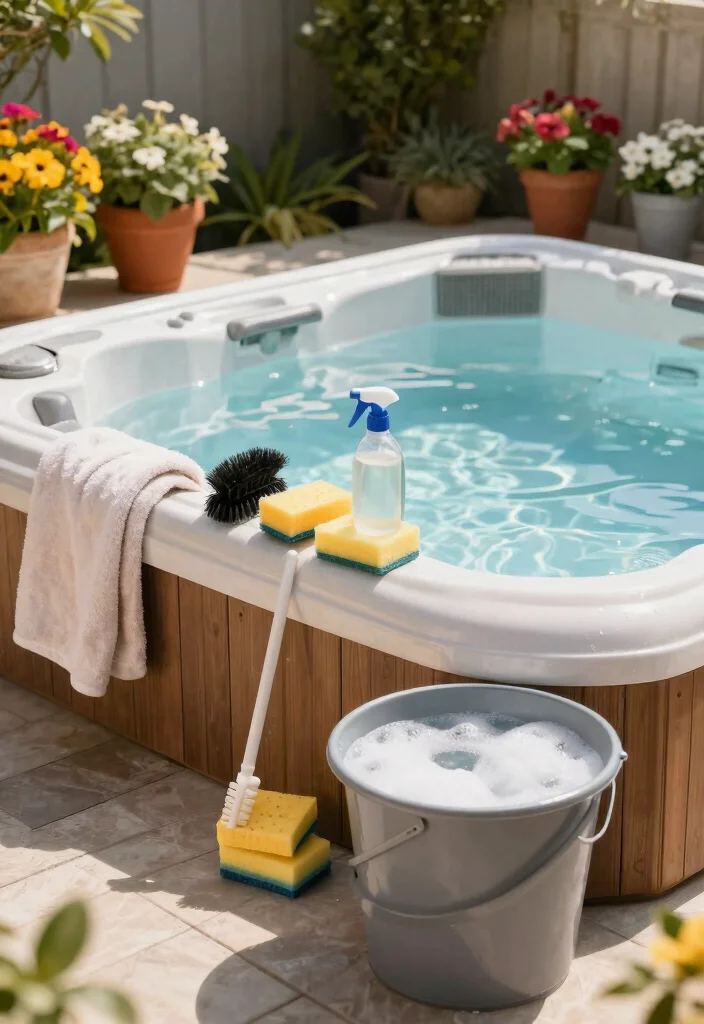
A clean hot tub not only looks inviting but also enhances your soaking experience. Regular maintenance prevents build-up and ensures a hygienic environment. Use a dedicated hot tub cleaner or mild dish soap with a soft cloth to wipe surfaces weekly.
Focus on cleaning the inner walls and the cover, while also paying attention to filter maintenance. Rinse your filters monthly and replace them every 1-2 years. Plan to drain and clean your hot tub every 3-4 months to eliminate stubborn residues.
Here are some cleaning tips:
– Wipe down surfaces weekly for a sparkling finish.
– Rinse filters monthly to maintain efficiency.
– Perform a deep clean every 3-4 months to refresh.
Incorporating these techniques will keep your hot tub fresh and ready for relaxation whenever you are.
3. Effective Water Treatment for a Safe Soak
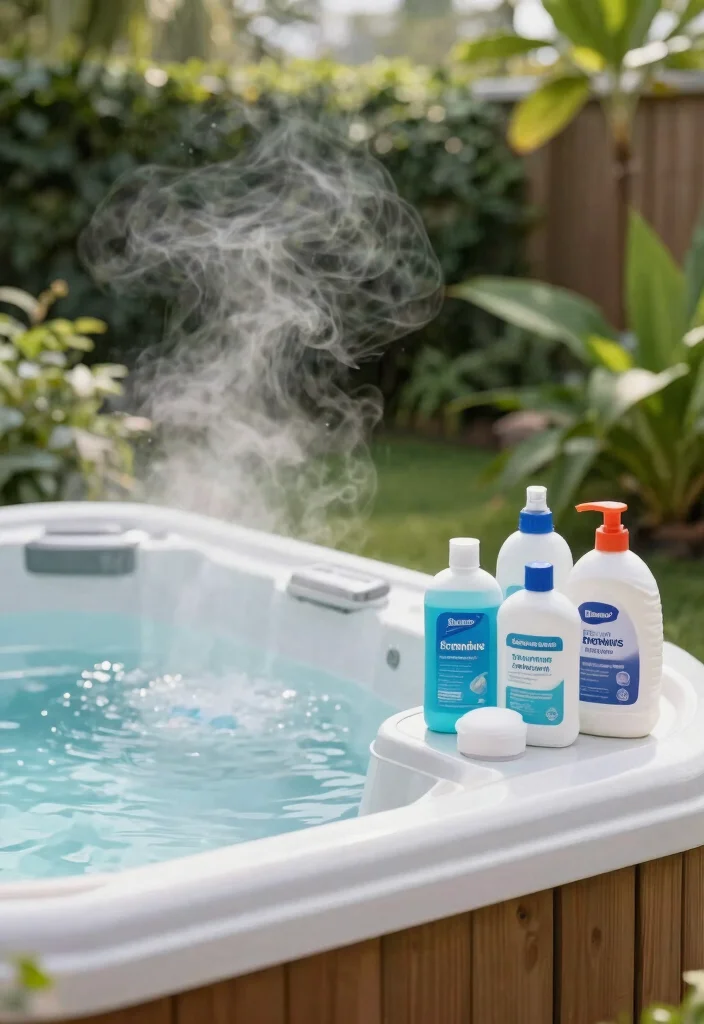
Proper water treatment is crucial for a safe and enjoyable hot tub soak. Sanitizers like chlorine and bromine help eliminate harmful bacteria, but each has its pros and cons. Choosing the right one depends on your personal preferences and sensitivity to chemicals.
Chlorine acts quickly but can irritate skin for some users, while bromine is gentler and better for high temperatures but may take longer to dissolve. Consider using additional products like algae inhibitors and clarifiers to enhance water quality.
Effective water treatment steps:
– Use chlorine or bromine based on your needs.
– Follow dosage guidelines to ensure proper sanitation.
– Shock the water weekly for clarity and safety.
By regularly treating your hot tub water, you’ll create a safe haven for relaxation and enjoyment.
Hot tub care tips say it all: chlorine acts fast, but bromine is kinder to sensitive skin and steady in heat. In practice, I mix sensible sanitizers with a clarifier to keep the water clear and the soak comfortable. Your garden evenings deserve a safe, spa-like pause.
4. Invest in a Quality Cover to Prolong Lifespan
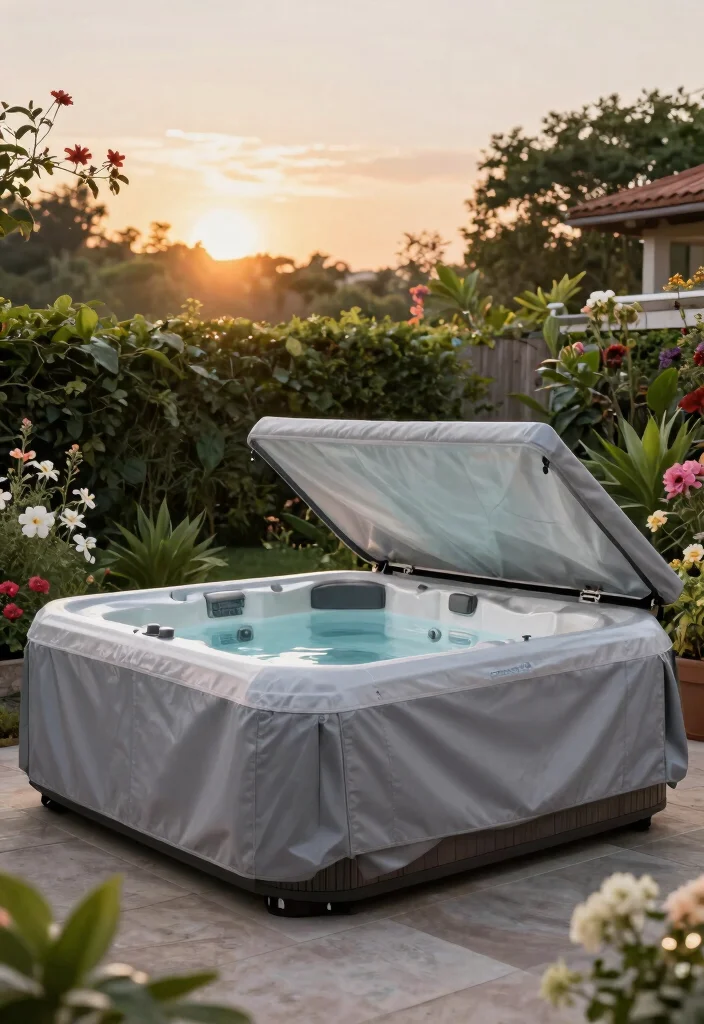
A quality hot tub cover acts as a shield against debris, harsh weather, and heat loss. Investing in a sturdy and well-insulated cover can significantly lighten your maintenance load and prolong the life of your hot tub. Look for a cover that fits snugly to block contaminants effectively.
A well-insulated cover not only retains heat, saving on energy costs but also keeps leaves and insects out when your hot tub is not in use. Plus, it acts as a safety feature, preventing accidental falls, especially around children.
Benefits of a good hot tub cover:
– Retain heat to save energy and costs.
– Protect from debris when not in use.
– Enhance safety to prevent accidents.
Utilizing a quality cover will ensure your hot tub remains well-protected and ready for use anytime.
5. Monitor Temperature Regularly for Comfort
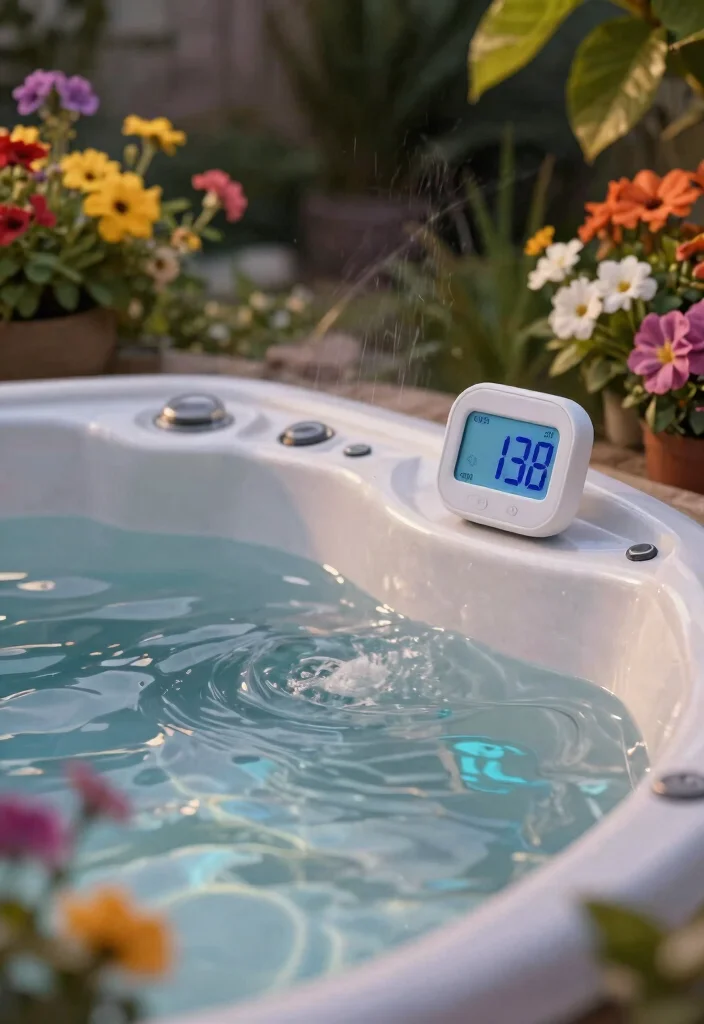
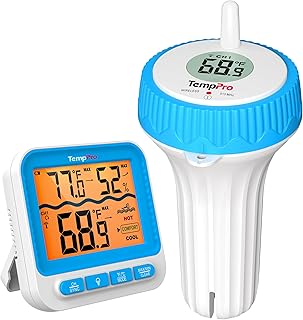
Keeping an eye on your hot tub’s temperature guarantees a comfortable and enjoyable soaking experience. The ideal temperature generally falls between 100°F and 104°F, but personal preference plays a crucial role. You might prefer a cooler soak during hot summer days.
Make daily checks on the thermometer to ensure it’s working correctly and verify the temperature before use. Adjust as needed, especially if hosting guests or using the tub in colder weather. Consider utilizing timers for efficient heating, ensuring the tub is warm when you are ready to enjoy it.
Temperature management tips:
– Check the temperature daily before use.
– Adjust settings for guests or seasonal changes.
– Use timers for convenient heating schedules.
By keeping your hot tub at a comfortable temperature, you enhance relaxation and encourage frequent use.
Monitor Temperature Regularly for Comfort
Editor’s Choice




6. Seasonal Maintenance for Year-Round Use
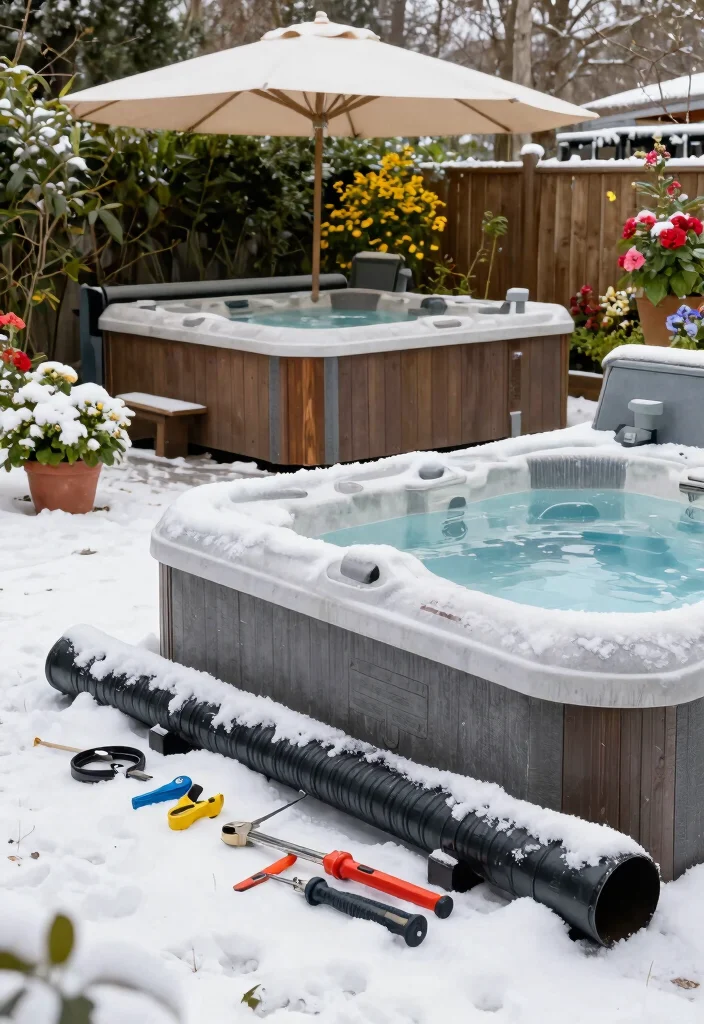
Different seasons demand unique maintenance strategies to keep your hot tub in peak condition. In winter, it’s crucial to ensure it remains operational despite freezing temperatures, while summer may require more frequent cleanings due to outdoor debris.
Insulating pipes in winter prevents freezing, and regularly checking water levels is essential. During summer, increase your cleaning frequency and consider using a sunshade to minimize heat buildup. If the hot tub won’t be in use during extreme weather, draining and cleaning it is advisable.
Seasonal maintenance must-dos:
– Insulate pipes in winter to prevent freezing.
– Clean more frequently in summer to manage debris.
– Drain and clean during off-seasons for protection.
Implementing seasonal maintenance ensures your hot tub is ready for enjoyment year-round.
Seasonal Maintenance for Year-Round Use
Editor’s Choice


7. Regularly Replace Filters for Optimal Performance
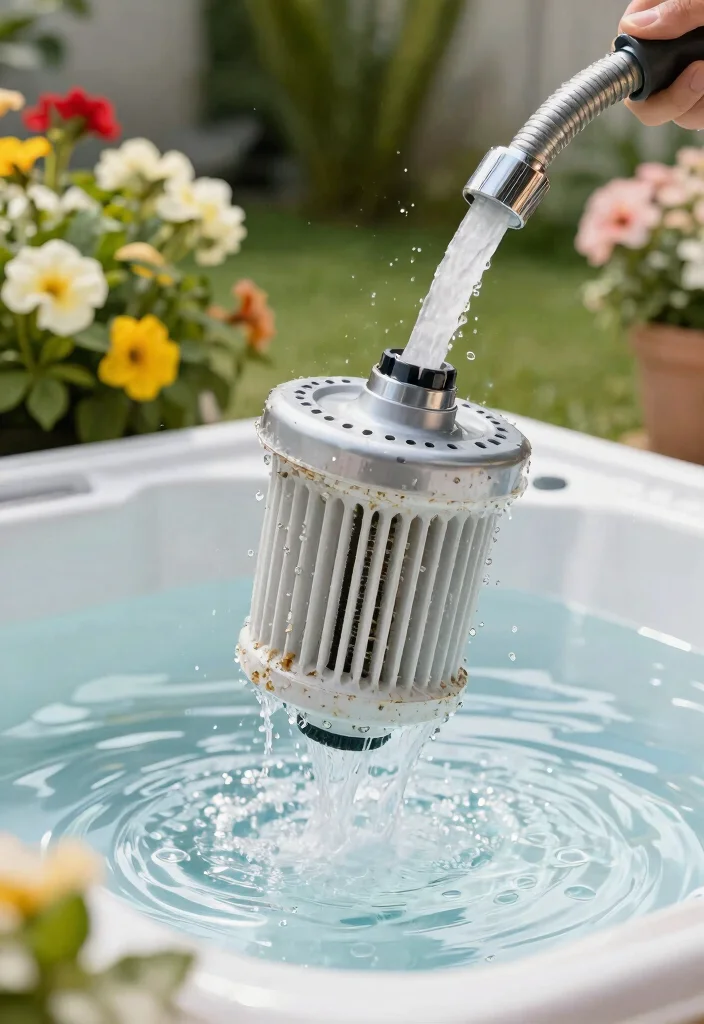
Your hot tub filter is vital for keeping the water clean and ensuring effective circulation. Over time, filters can become clogged, hindering their performance. Regularly replacing filters is a straightforward yet impactful hot tub care tip.
Begin with monthly rinsing using a hose to clear surface debris. Create a replacement schedule, aiming to change filters every 1-2 years based on usage. Investing in high-quality filters can also enhance performance significantly.
Filter care essentials:
– Rinse filters monthly for better efficiency.
– Replace every 1-2 years for optimal performance.
– Choose high-quality filters to maximize effectiveness.
Proper filter maintenance leads to better water quality and extends the lifespan of your hot tub.
Regularly Replace Filters for Optimal Performance
Editor’s Choice


8. Understanding Chemical Balance for Health and Safety
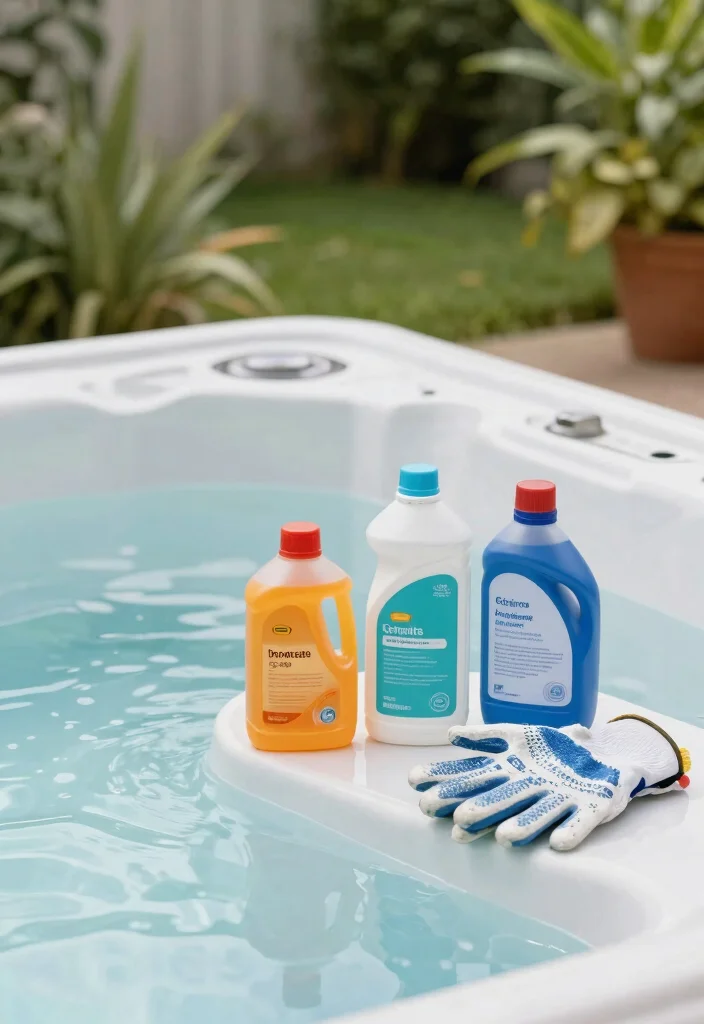
Maintaining the correct chemical balance in your hot tub is crucial for both health and safety. An imbalance can lead to skin irritation and equipment damage. Familiarize yourself with essential chemicals and their proper application to keep your water safe.
Use chlorine or bromine as sanitizers according to the label instructions for effective sanitation. Learn how to adjust pH and alkalinity levels based on your test results, and use non-chlorine shock treatments weekly to keep the water fresh.
Key chemical balance practices:
– Use chlorine or bromine as directed.
– Adjust pH and alkalinity based on tests.
– Shock the water weekly for clear results.
Mastering chemical balance not only enhances safety but also enriches your overall enjoyment of the hot tub.
Understanding Chemical Balance for Health and S…
Editor’s Choice


9. Proper Drainage to Prevent Stagnation
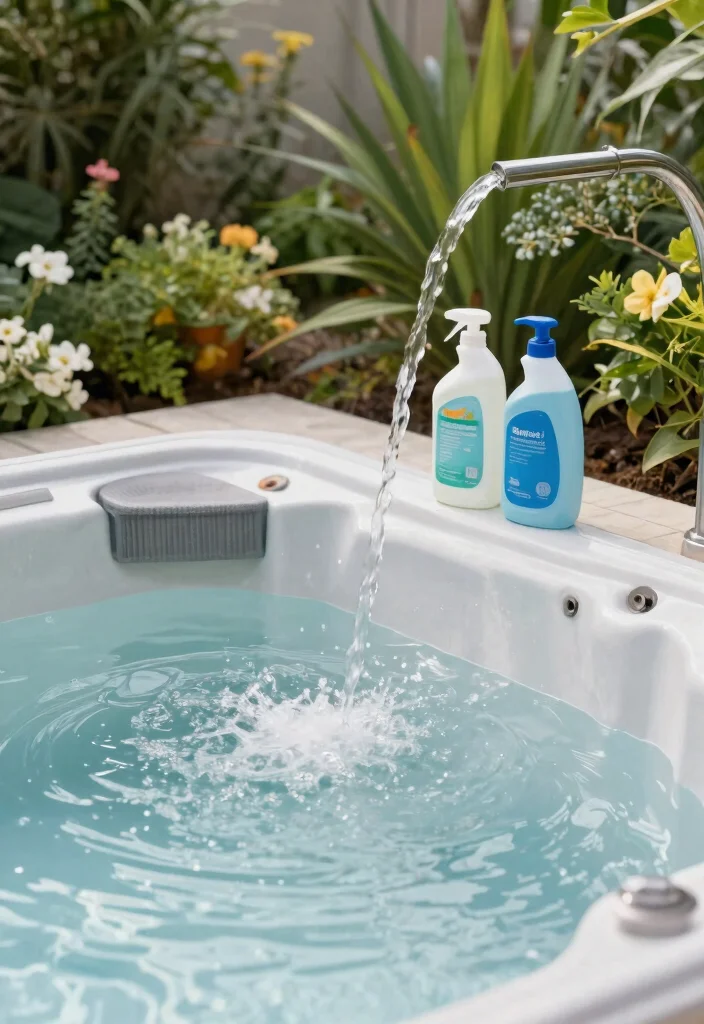
Stagnant water can lead to algae growth, unpleasant odors, and hygiene issues in your hot tub. Proper drainage is vital for maintaining clean water and preventing unwanted problems. Aim to empty your hot tub every 3-4 months as part of your cleaning routine.
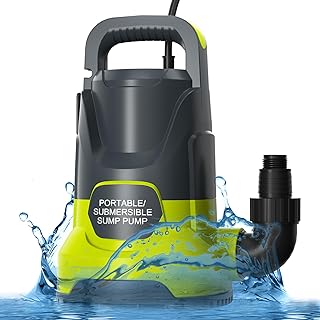
Use a submersible pump for quick and efficient drainage. After draining, scrub your tub thoroughly before refilling it with fresh water. Fresh water is essential for maintaining the correct chemical balance.
Effective drainage tips:
– Use a submersible pump for efficient draining.
– Scrub and clean thoroughly after draining.
– Replace with fresh water to maintain balance.
Implementing these drainage practices keeps your hot tub a clean and inviting place for relaxation.
Fun fact: Draining your hot tub every 3-4 months prevents algae growth and odors, keeping water sparkling with less scrubbing. A quick pump-out, scrub, and fresh fill now saves bigger headaches later—your garden oasis stays inviting all season.
Proper Drainage to Prevent Stagnation
Editor’s Choice




10. Creating an Inviting Hot Tub Atmosphere
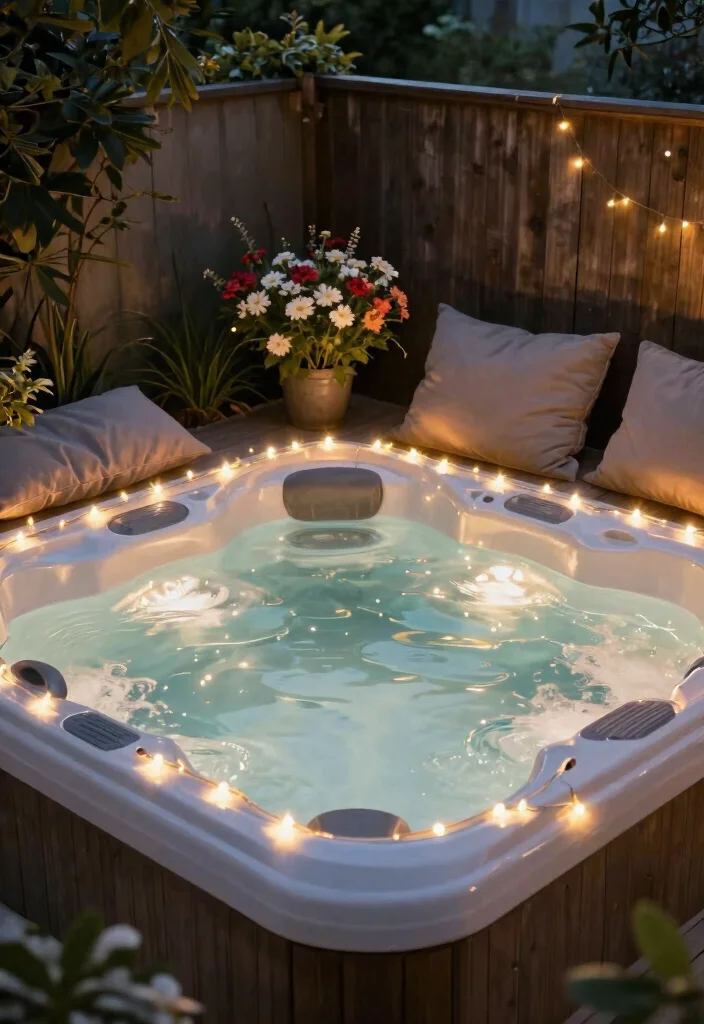
Enhancing your hot tub experience involves more than just maintenance; it’s about creating a welcoming atmosphere. Comfortable seating, soft lighting, and beautiful landscaping transform your hot tub area into a relaxing retreat.
Consider adding outdoor cushions or lounge chairs to improve seating options. Use solar lights or string lights to create a cozy ambiance at night. Surround your hot tub with fragrant herbs or flowers to engage your senses.
Tips for creating an inviting atmosphere:
– Add outdoor cushions for comfort.
– Use soft lighting for a relaxing vibe.
– Incorporate fragrant plants nearby for scent.
A thoughtfully designed hot tub space encourages regular use and makes it a delightful centerpiece in your outdoor area.
Conclusion: Embrace the Joy of Hot Tub Ownership

Owning a hot tub is a wonderful addition to any garden, providing relaxation and comfort. By incorporating these essential hot tub care tips into your routine, you can ensure your spa remains in top condition for years to come. Regular maintenance, effective water treatment, and creating a cozy environment will enhance your overall experience.
Embrace the joy of hot tub ownership and turn your outdoor space into a haven for relaxation.
Note: We aim to provide accurate product links, but some may occasionally expire or become unavailable. If this happens, please search directly on Amazon for the product or a suitable alternative.
This post contains Amazon affiliate links, meaning we may earn a small commission if you purchase through our links, at no extra cost to you.
Frequently Asked Questions
Question: What are the essential hot tub care tips for longevity in a garden setting?
In a garden setting, your hot tub care tips should focus on protecting water quality and the tub from debris.
Start with a simple routine: keep the spa water quality high and the system running smoothly by testing water weekly and balancing pH and total alkalinity; sanitize with chlorine or bromine; shock as needed.
Clean or rinse filters every 1-2 weeks and wipe down surfaces monthly. Drain and refill every 3-4 months to prevent mineral buildup and extend the prolonging hot tub lifespan.
When you’re garden-side, protect from leaves and pollen—keep the cover on when not in use and position the tub to minimize direct wind and water spray. A few consistent steps beat costly repairs and maximize your hot tub care tips in your outdoor space.
Question: How often should I perform hot tub cleaning techniques and maintenance tasks?
Most hot tub maintenance tasks are routine, not complicated. Here’s a practical schedule you can follow:
Daily: keep the cover on when not in use and check for debris.
Weekly: test spa water quality with test strips and balance pH (around 7.2-7.8) and total alkalinity; sanitize with chlorine or bromine and shock if needed; clean or rinse filters.
Monthly: clean the surfaces and filter thoroughly and inspect jets, seals, and indicators.
Every 3-4 months: drain and refill, replace filters as recommended by your unit, and inspect pumps and heater. This hot tub maintenance routine helps keep spa water quality high and supports hot tub care tips that last.
Question: What should I consider when integrating a hot tub into an outdoor garden space for longevity?
The garden beauty is great, but it can threaten water quality and equipment. Place the tub where it’s sheltered from strong winds and intense sun, with good drainage around the base to prevent water pooling. Use a sturdy deck or pad that supports weight and makes cleaning easier. Keep a tight-fitting cover to minimize debris, evaporation, and chemical loss. Plan for drainage to flow away from plant beds and avoid sprinklers over the tub. Choose plantings that don’t shed a lot of leaves near the unit. Regularly check spa water quality and do effective water treatment to avoid mineral buildup. These steps help prolonging hot tub lifespan and integrate nicely into your outdoor space.
Question: What common mistakes shorten hot tub lifespan and how can I avoid them?
Common mistakes include ignoring spa water quality by not testing water weekly, overusing cleaners, or using the wrong chemicals. Skipping routine hot tub maintenance like filter cleaning leads to poor water quality and stressed equipment. Leaving the cover off during pollen season can let debris in and heat escape. Not protecting the tub from garden runoff or hard water can cause scale and corrosion. Avoid these by following a simple hot tub care tips schedule: test water, balance pH and alkalinity, maintain sanitizer, clean filters, and drain/refill at recommended intervals. Invest in a good cover and rinse the area around the tub to prevent moisture damage to decking. These routines help ensure prolonging hot tub lifespan and better spa water quality.
Question: Are there budget-friendly, practical routines gardeners can use to prolong hot tub lifespan and maintain spa water quality?
Absolutely. You don’t need fancy gear to keep your hot tub in top shape. Use basic test strips to monitor spa water quality weekly, and stick to a simple sanitizer routine—chlorine or bromine—and occasional effective water treatment steps like shocking and filter cleaning. Keep the cover on when not in use to save energy and protect from garden debris. Clean filters in warm water every 1-2 weeks and replace them when flow drops. Use a mild non-abrasive cleaner for surfaces and a proper mineral deposit control product if you have hard water. Pair these with a predictable drain/refill schedule; many improvements are budget-friendly and make hot tub maintenance easier, helping you prolonging hot tub lifespan.
![9 Smart Solo Stove Fire Pit Ideas [No Smoke, Just Vibes]](https://archibula.com/wp-content/uploads/2026/04/9-Smart-Solo-Stove-Fire-Pit-Ideas-No-Smoke-Just-Vibes-150x150.webp)