![6 Best Ways to Put a Gazebo on Grass [Anchoring Tips]](https://archibula.com/wp-content/uploads/2026/04/6-Best-Ways-to-Put-a-Gazebo-on-Grass-Anchoring-Tips.webp)
Setting up a gazebo can be a delightful way to enhance your outdoor living space. As the weather warms up, you might find yourself craving a cozy spot in your garden where you can unwind, entertain, or celebrate special moments. I created this post because I know how important it is to set up your gazebo correctly, especially when you’re placing it on grass. It can be tricky to keep it secure and stable, but with the right approach, you’ll enjoy your outdoor oasis without a hitch.
This guide is for anyone who loves spending time outdoors, whether you’re a seasoned gardener, someone planning a garden party, or a family looking to enhance your backyard. You want your gazebo to be practical and look good, but you also want it to stay in place, particularly during those breezy days. In this post, I’ve gathered the six best ways to put a gazebo on grass, complete with anchoring tips. You’ll find practical ideas that are easy to implement and will help you create a stable and beautiful outdoor structure.
By reading on, you’ll gain valuable insights into securing your gazebo, from using heavy objects and ground anchors to combining methods for the best results. Not only will these tips ensure that your gazebo stays put, but they will also help you maintain it over time. Let’s dive in and explore how to make your outdoor space shine!
Key Takeaways
– Weigh It Down with Heavy Objects: Use items like bricks or sandbags to add weight to your gazebo, preventing it from being blown over by the wind.
– Use Ground Anchors for Extra Security: Ground anchors can be installed to provide a firm hold, ensuring your gazebo remains stable even in harsh weather.
– Stake It Down for a Firm Hold: Use stakes to secure the gazebo to the ground. This method is ideal for temporary setups, adding an extra layer of security.
– Create a Solid Foundation with Pavers: Consider placing pavers under the gazebo legs. This method not only stabilizes your structure but also enhances the aesthetics of your garden.
– Regular Maintenance for Longevity: Keep your gazebo in good shape by checking for wear and ensuring anchors and weights are secure after storms or strong winds.
1. Weigh It Down with Heavy Objects
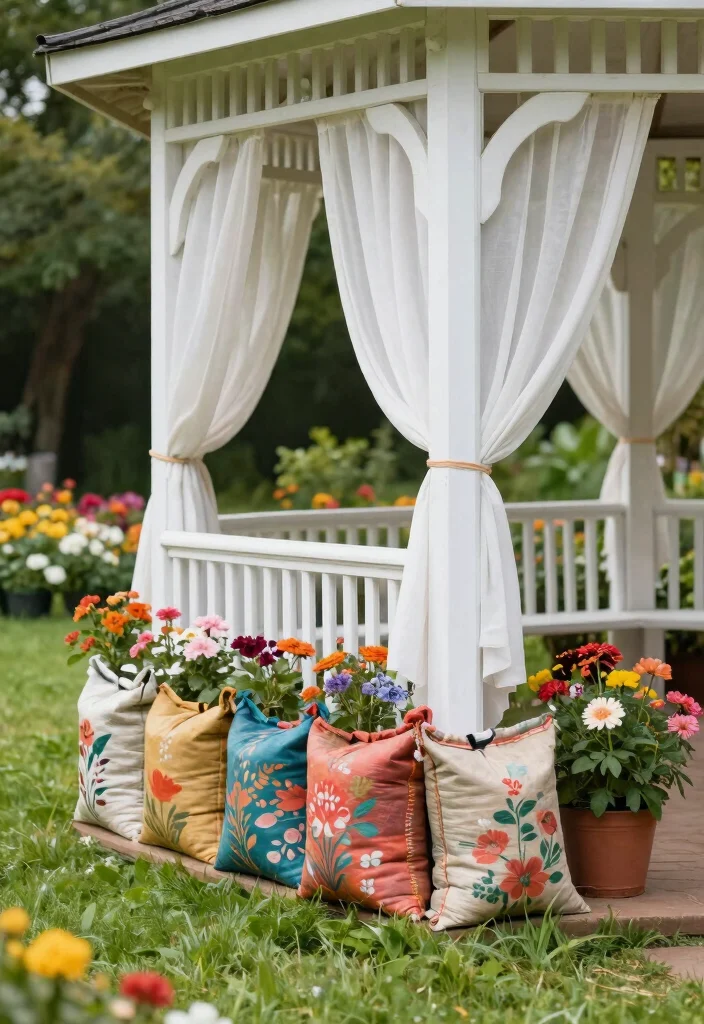
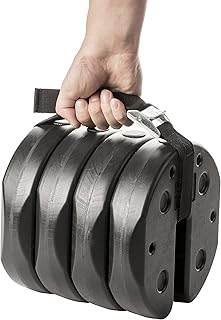
If you’re searching for an easy way to keep your gazebo secure on grass, using weights is a fantastic option. This technique is perfect for those who want a straightforward solution that can be set up quickly without any permanent changes. You can utilize items like sandbags, water weights, or even sturdy concrete blocks. Simply place these at each corner of your gazebo to ensure it stays anchored in place.
Start by using at least four weights, distributing them evenly to balance the structure. For a touch of style, consider decorative sandbags that blend with your garden’s look. If your gazebo is larger, it’s wise to increase the weight for added stability, especially on windy days.
Key actions to enhance this method:
– Choose durable, weather-resistant materials for weights
– Match the color of weights to your gazebo for a cohesive look
– Ensure weights are securely placed to avoid shifting
This approach is perfect for temporary setups, allowing you to enjoy your gatherings without harming the grass beneath.
2. Use Ground Anchors for Extra Security
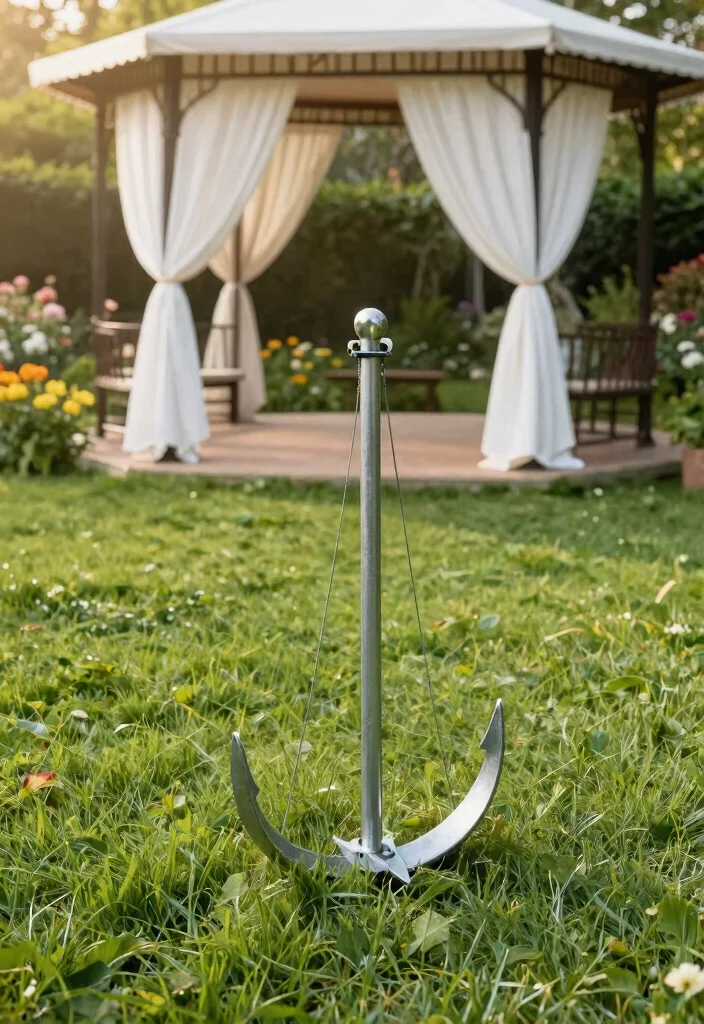
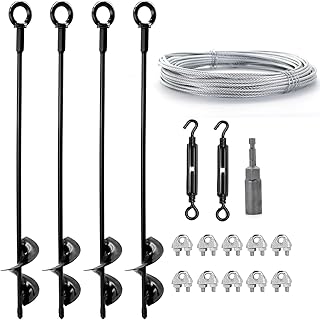
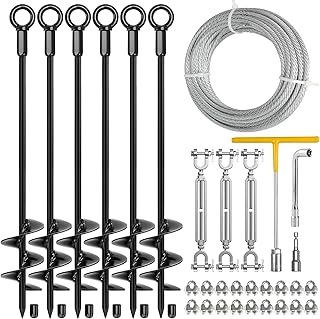
For a more dependable anchoring solution, consider using ground anchors to secure your gazebo on grass. This method is especially beneficial if you anticipate strong winds or plan to keep your gazebo up for a long time. Ground anchors typically consist of metal spikes that are driven into the ground and connected to your gazebo with straps.
Begin by selecting a ground anchor kit that fits your gazebo’s size. Mark where the anchors will go, focusing on the corners and sides. Use a post driver to embed the anchors firmly, and then attach the straps to the gazebo frame securely.
Steps to ensure effective installation:
– Choose high-quality materials that resist rust and wear
– Verify that anchors are deeply embedded for maximum hold
– Regularly check anchor connections for any wear
This method provides peace of mind, helping your gazebo endure harsh weather while creating a stable outdoor space for relaxation.
Use Ground Anchors for Extra Security
Editor’s Choice




3. Stake It Down for a Firm Hold
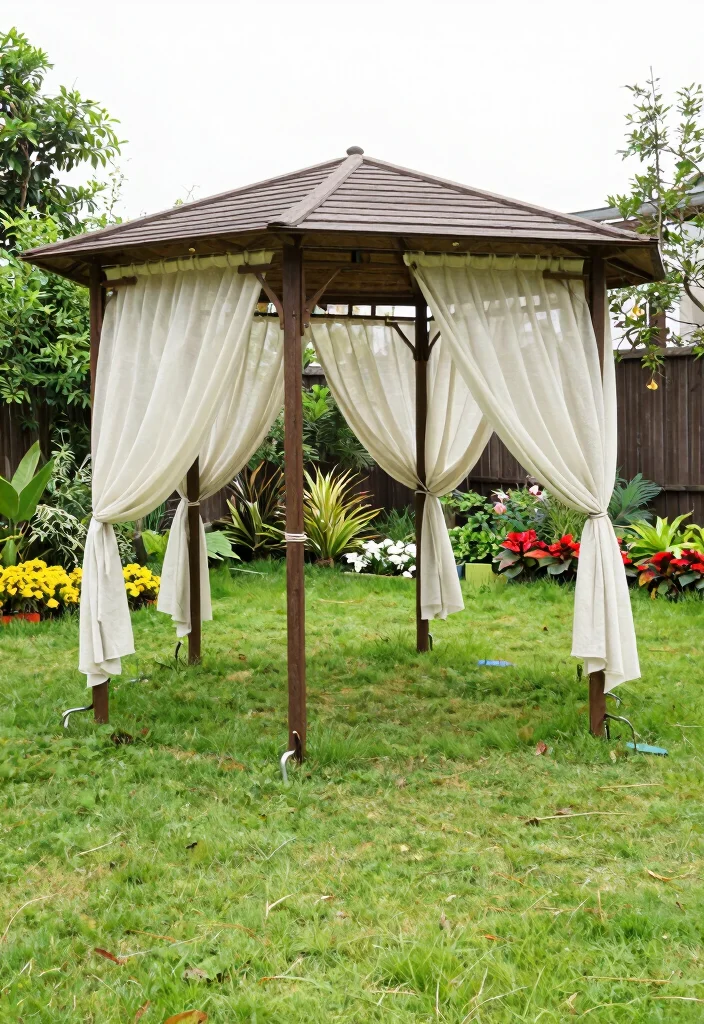
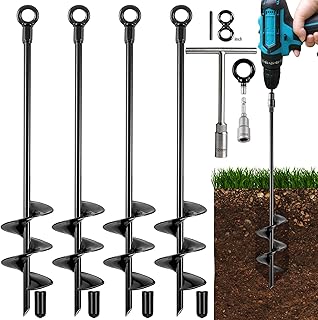
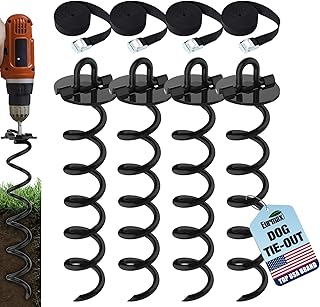
Staking your gazebo down is a smart move if you expect strong winds or frequent use. This technique requires garden stakes that can penetrate the ground, offering a solid hold for various gazebo designs. Look for stakes made from durable materials like steel or fiberglass specifically crafted for outdoor use.
Utilize U-shaped stakes to enhance grip in the soil. Drive these stakes at an angle to improve stability against wind gusts, and securely fasten your gazebo’s legs to the stakes using sturdy rope or straps.
Helpful staking strategies:
– Choose the right length of stakes based on your ground type
– Regularly inspect and replace any worn stakes
– Remove stakes carefully after use to protect your lawn
This anchoring method is ideal for temporary events, ensuring your gazebo stands firm during gatherings without damaging your grass.
Stake It Down for a Firm Hold
Editor’s Choice


How To Install a Gazebo on Grass
Tools You’ll Need:
– Tape measure
– Level
– Shovel (if using ground anchors)
– Hammer (if staking down)
– Pavers (if creating a foundation)
– Heavy objects (for weighing down)
Step 1: Measure & Prep
Start by measuring the area where you want to place the gazebo. Ensure it’s flat and clear of any debris. You want a level ground to avoid any instability. Using your tape measure, mark the corners of where the gazebo will go. ✔ Clear away grass and rocks from this area. ✔ Double-check your measurements to confirm it fits your intended space.
Step 2: Choose Your Anchoring Method
Decide which anchoring method works for you. You can weigh it down with heavy objects, use ground anchors, or stake it down. Each method offers different levels of security, depending on weather conditions and your gazebo’s size. ✔ Consider how often you’ll use the gazebo and the wind conditions in your area. ✔ For temporary setups, heavy objects might work. For more stability, ground anchors are best.
Step 3: Set Up the Gazebo Frame
Assemble the gazebo frame according to the manufacturer’s instructions. Most gazebos have clear assembly steps. Ensure you’re working on the flat area you prepped. ✔ Check that all parts are included and undamaged. ✔ It may be helpful to have another person assist you during this step to hold parts in place.
Step 4: Anchor the Gazebo
Now it’s time to secure the gazebo. If you’re using ground anchors, drive them into the grass at an angle for maximum hold. For stakes, hammer them into the ground at the corners. If using heavy objects, place them on the gazebo legs or corners. ✔ Ensure that whatever method you choose is tight and secure. ✔ Regularly check the anchors over time to ensure they remain in place.
Step 5: Create a Solid Foundation (Optional)
If you prefer a more permanent setup, consider using pavers. Lay down pavers evenly under the gazebo’s legs to distribute weight and provide a solid foundation. This prevents sinking into the grass. ✔ Make sure the pavers are level with each other. ✔ This option is especially good if you plan to leave the gazebo up for a long time.
Step 6: Regular Maintenance for Longevity
After installation, keep an eye on your gazebo. Regularly check for wear and tear, especially after harsh weather. Clean the fabric and structure to prevent mold and deterioration. ✔ Store the gazebo properly during off-seasons to extend its life. ✔ This maintenance will ensure your outdoor living space remains inviting and functional for years to come.
⏱ Time: ~2-3 hours | 💡 Tip: Having a second person can make the setup smoother and faster!
4. Create a Solid Foundation with Pavers
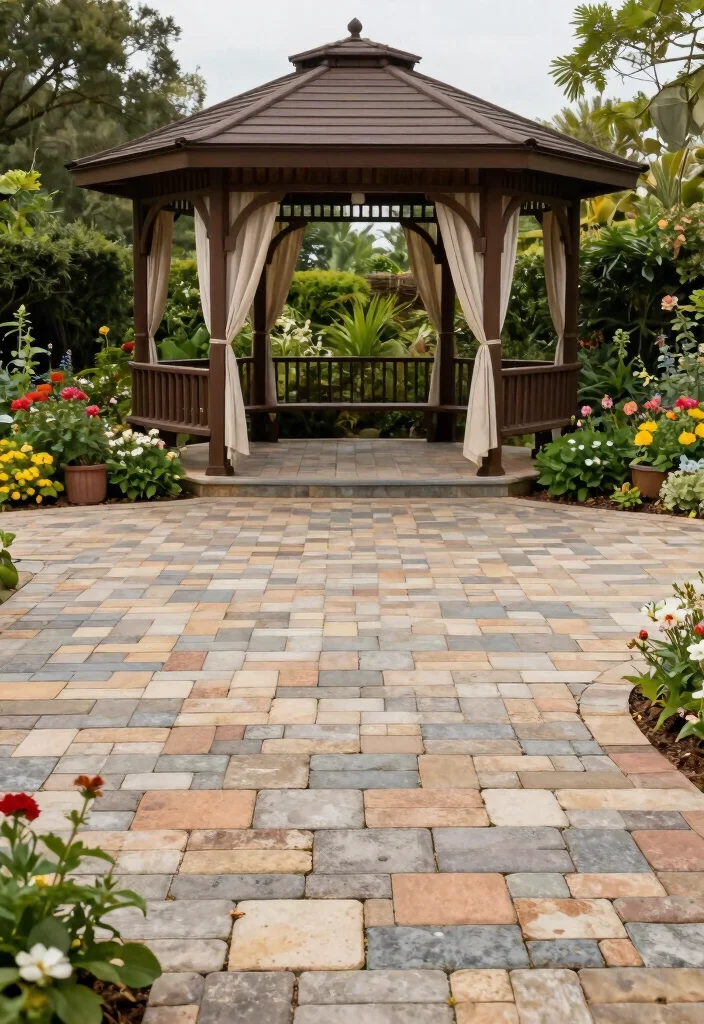
If you’re aiming for a long-lasting solution, laying pavers can provide a robust foundation for your gazebo. This approach not only stabilizes the structure but also adds a stylish touch to your garden. Select pavers that harmonize with both your gazebo and overall landscape design.
Start by choosing pavers that fit your garden’s aesthetic, considering aspects like color and shape. Clear and level the area where the gazebo will be placed, then lay a base of crushed stone for drainage. Finally, arrange the pavers in your desired pattern before positioning the gazebo on top.
Steps for paver installation:
– Ensure the base is compacted properly for stability
– Choose paver patterns that suit your style
– Secure the gazebo with anchors if necessary
This method guarantees your gazebo remains secure throughout the year while creating an inviting outdoor area for entertaining.
Setting up gazebo on grass ideas becomes simpler when you start with a solid paver base. It stabilizes the setup and adds style, so you can host outdoor moments without wobble. Pick pavers that fit your garden’s look, then enjoy a longer-lasting retreat.
Create a Solid Foundation with Pavers
Editor’s Choice


5. Use a Combination of Methods
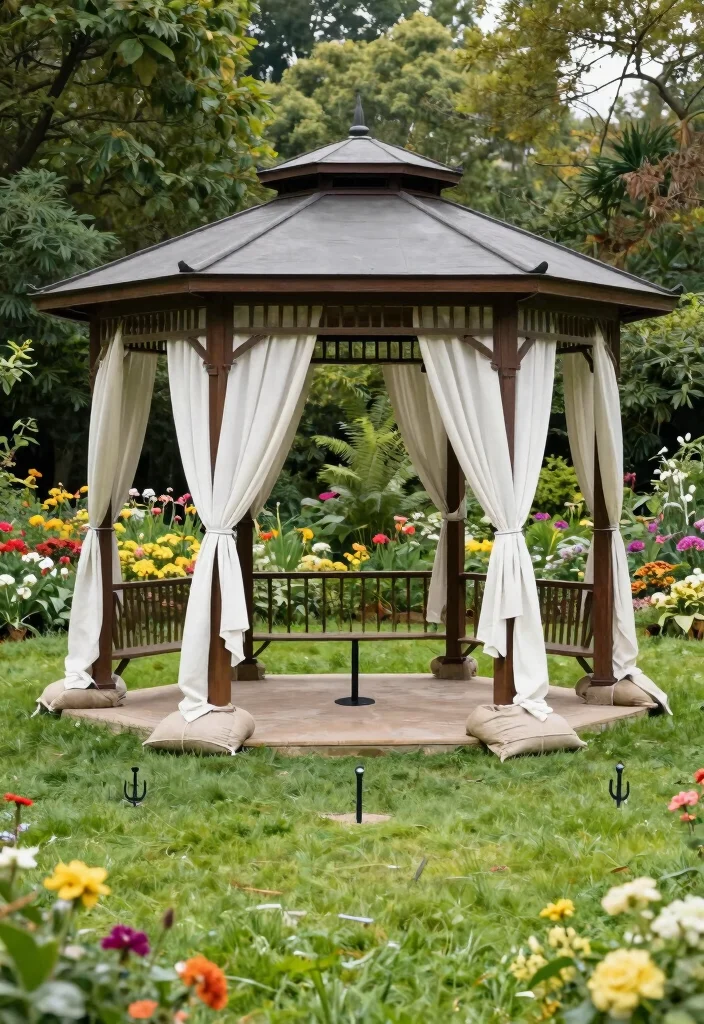
Often, the best way to secure your gazebo is by combining various anchoring methods. For larger structures or those in unpredictable weather areas, blending weights, ground anchors, and stakes can provide the ultimate stability. This layered approach ensures your gazebo remains steadfast despite changing conditions.
Utilize weights for quick installations when anchors are impractical. Implement ground anchors for long-term security, particularly in windy locations. Add stakes for extra reinforcement during events or gatherings.
Combination strategies:
– Assess your gazebo size and location for the best mix
– Adjust weight based on weather forecasts
– Regularly evaluate the effectiveness of your combined methods
This versatile anchoring system helps adapt to your needs, ensuring your gazebo is a reliable part of your outdoor events.
gazebo on grass ideas shine when you blend weights, ground anchors, and stakes. Weights speed setup when anchors aren’t practical, anchors secure long-term wind resistance, and stakes add that final grip. The layered approach keeps your structure steady through changing conditions.
Use a Combination of Methods
Editor’s Choice


6. Regular Maintenance for Longevity
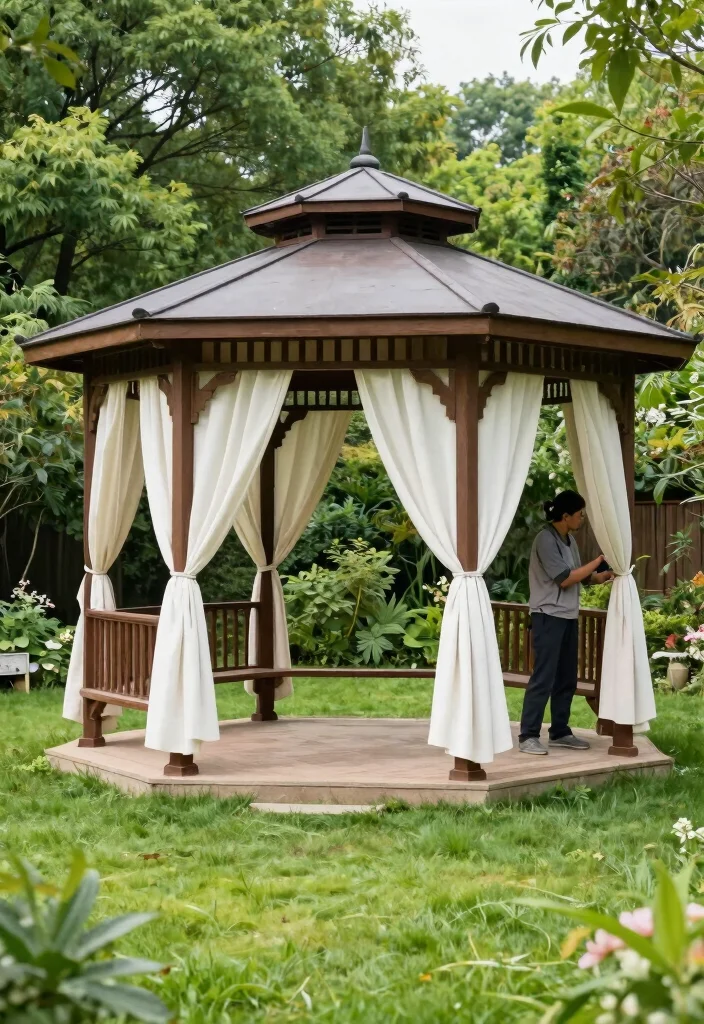
After securely anchoring your gazebo, don’t overlook regular maintenance! Consistent care not only prolongs the life of your structure but also keeps it looking great. Periodically check your anchoring methods, especially after severe weather, and clean the fabric to prevent mold.
Follow the manufacturer’s cleaning instructions for the fabric, and tighten any loose straps or ropes. If extreme weather is on the horizon, consider storing or covering your gazebo for additional protection.
Maintenance tips to remember:
– Schedule seasonal checks on your anchoring setup
– Use gentle cleaning solutions to preserve fabric
– Inspect for wear and tear regularly
By staying on top of maintenance, you ensure your gazebo remains a beautiful and functional feature of your outdoor space, ready for every gathering.
Fun fact: 70% of gazebo issues come from neglected maintenance after storms. Spending just 10 minutes for a quick check and cleaning per season can drastically extend longevity. For gazebo on grass ideas, consistent care keeps fabric tight and anchors strong.
Regular Maintenance for Longevity
Editor’s Choice


Conclusion
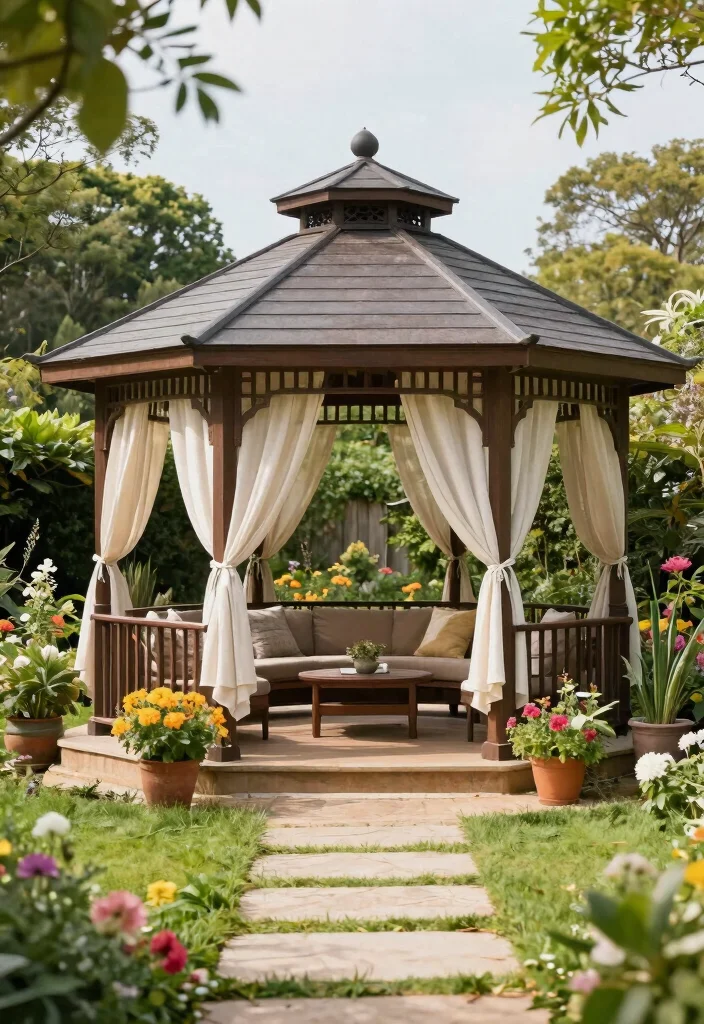
Setting up a gazebo on grass can be both stylish and secure with the right anchoring methods. Whether you choose to weigh it down, stake it down, or create a foundation, each approach has its own benefits. Regular maintenance keeps your gazebo looking great and functioning effectively over time.
Explore these anchoring strategies and tailor them to your garden space, ensuring that your outdoor events are safe, enjoyable, and memorable.
Note: We aim to provide accurate product links, but some may occasionally expire or become unavailable. If this happens, please search directly on Amazon for the product or a suitable alternative.
This post contains Amazon affiliate links, meaning we may earn a small commission if you purchase through our links, at no extra cost to you.
Frequently Asked Questions
What are the best ways to anchor a gazebo on grass for temporary outdoor events?
Anchoring a gazebo on grass for temporary events comes down to choosing the right method for your ground and weather. Here are practical options:
• Stake anchors with auger-style stakes driven deep into the soil for strong, quick setup.
• Ballast using sandbags or water bags placed on each leg or corner to stabilize on softer ground.
• Weighted pavers or concrete blocks laid near the legs to distribute the load—just protect the grass with a mat or fabric layer.
• Guy lines attached to ground anchors or stakes with tensioners to keep the frame steady in wind.
• Screw anchors or removable drive anchors for easy take-down on soft surfaces.
Tip: use turf-friendly ground protection mats to prevent grass damage and keep the gazebo level. These are practical gazebo installation tips for garden structures and outdoor living spaces.
Is it safe to place a gazebo on grass without a permanent foundation?
Yes, for temporary events you can, but safety depends on wind, ground conditions, and the gazebo’s design. Always follow the manufacturer’s guidelines and check your local codes.
Best practice: choose a lightweight or portable gazebo, anchor it securely using stakes and ballast, and make sure the legs are on a level, well-drained patch of grass. If you expect strong winds, switch to more robust anchoring and consider a shade canopy with tighter wind rating. Regularly inspect anchors and guy lines during the event to prevent movement. This aligns with gazebo installation tips and garden structures best practices.
What maintenance steps help extend the life of a gazebo placed on grass?
Keep it looking fresh and sturdy with simple maintenance: clean the canopy and frame after events; dry it thoroughly to prevent mold; inspect and tighten bolts and anchors; check the legs for rust or bending and treat metal parts with a protective coating if needed; rotate or reposition the gazebo occasionally to avoid grass burn from sun and heat; place rubber mats or ground protection under the legs to protect both the lawn and the feet. For ongoing care, cover when not in use and store fabric properly. This helps with gazebo maintenance, garden structures, and outdoor living spaces.
How can I integrate a gazebo on grass into my landscaping ideas and outdoor living space?
Turn your gazebo into a focal point with thoughtful landscaping: choose a location that provides shade or sun as desired; create a path to the gazebo using stepping stones or gravel; plant low, non-invasive borders around it; add seating, lanterns, or string lights to enhance the outdoor living spaces vibe; use ground-level planters and a small lawn-free zone under the gazebo for easy maintenance. Consider color and textiles that complement your garden structures and overall landscaping ideas. Lighting and weather protection can extend usability well into the evening.
What are common mistakes when installing a gazebo on grass and how can I avoid them?
Common mistakes include not leveling the ground, ignoring soil moisture, over-tightening anchors, and underestimating wind load. To avoid these: use a bubble level to verify flatness, check drainage to prevent water pooling, rely on a mix of anchors (stakes plus ballast) for stability, and follow the manufacturer’s wind rating. Also avoid placing the gazebo on uneven ground or near tree roots, protect the grass with mats, and keep pathways clear to reduce tripping hazards. Following these tips aligns with gazebo installation tips and gazebo maintenance best practices.
![9 Smart Solo Stove Fire Pit Ideas [No Smoke, Just Vibes]](https://archibula.com/wp-content/uploads/2026/04/9-Smart-Solo-Stove-Fire-Pit-Ideas-No-Smoke-Just-Vibes-150x150.webp)