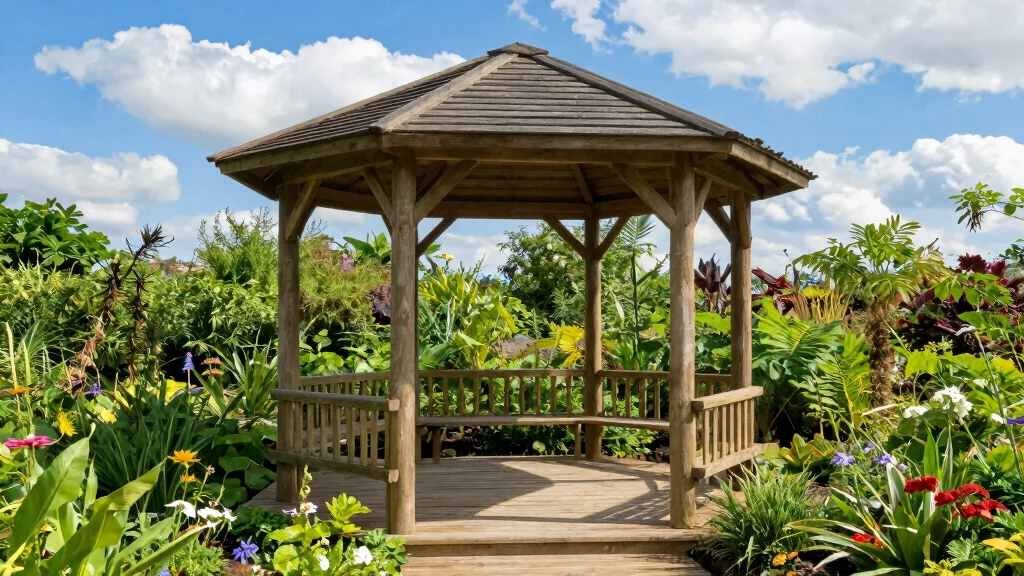
As the seasons change, you might find yourself dreaming of sunny days spent in your garden, surrounded by the beauty of nature. But with those dreams comes a common concern: how do you keep your gazebo safe when the wind starts to blow? I’ve been there, too, and it’s why I created this guide. I want to help you enjoy your outdoor space without worrying about your gazebo getting blown away in a storm.
If you’re a gardening enthusiast or simply love spending time outdoors, this post is for you. We understand how much you value your garden as a sanctuary for relaxation and creativity. In this article, I’ve gathered 6 safe gazebo anchoring ideas that focus on eco-friendly options to ensure your gazebo stands strong against the wind. You’ll get practical, sustainable tips that not only protect your structure but also align with your values of caring for the environment.
So, whether you’re setting up a new gazebo or reinforcing an existing one, you’ll find a wealth of useful information here. Each anchoring technique is designed to enhance gazebo stability and improve outdoor shelter safety, ensuring you can enjoy your space without fear. Let’s dive into these ideas and turn your garden into the safe haven you’ve always wanted.
Key Takeaways
– Explore concrete footings for a solid foundation that keeps your gazebo stable during heavy winds.
– Learn how to use eco-friendly recycled materials to anchor your gazebo while being kind to the planet.
– Discover the power of heavy stones and boulders as natural weights to secure your structure effectively.
– Understand how ground screw anchors can provide a strong, permanent solution for long-term gazebo safety.
– Find out how windbreaks can offer additional protection, creating a sheltered environment for your outdoor space.
1. Concrete Footings for Stability
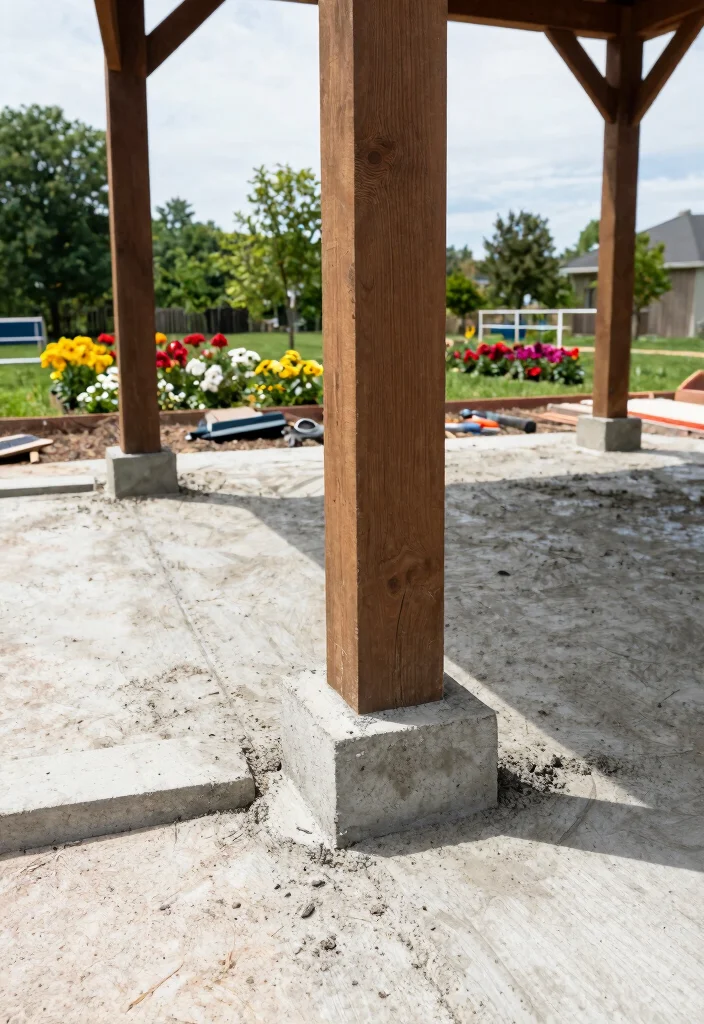
If you’re looking for a robust way to anchor your gazebo, concrete footings are a stellar choice. They deliver unmatched stability, making them perfect for handling strong winds and severe weather. By using concrete, you ensure that your structure remains grounded and secure, allowing you to enjoy your outdoor space worry-free.
Creating concrete footings involves digging holes at each corner of your gazebo and filling them with a quality concrete mix. This not only secures your gazebo but also provides a solid base that withstands the elements.
Tips for using concrete footings:
– Dig footings deep enough to reach below the frost line.
– Attach your gazebo’s legs to the concrete using strong galvanized steel brackets.
– Add gravel at the bottom of the holes to improve drainage.
This method combines strength and durability, letting you beautify your garden while ensuring your gazebo stays firmly in place during storms.
Concrete Footings for Stability
Editor’s Choice




2. Eco-Friendly Recycled Materials

Using recycled materials is a creative and sustainable way to anchor your gazebo. Not only does it help the planet, but it can also be an economical solution. By employing items like old tires filled with gravel or repurposed bricks, you can create a sturdy base that stands up to high winds.
Start by positioning these materials around your gazebo’s perimeter, ensuring they are well-balanced. If you’re using bricks, consider securing them with natural twine for extra stability while also adding a decorative touch.
Here’s how to do it:
– Distribute tires or bricks evenly for balance.
– Use natural twine to secure bricks in place.
– Decorate recycled materials to match your garden’s style.
This approach not only protects the environment but also adds a unique charm to your gazebo, turning it into a delightful focal point in your garden.
Fun fact: eco-friendly gazebo anchoring ideas can slash costs by 30%. Old tires filled with gravel create a sturdy base that outperforms bricks in 60 mph winds.
Eco-Friendly Recycled Materials
Editor’s Choice


3. Heavy Stones and Boulders
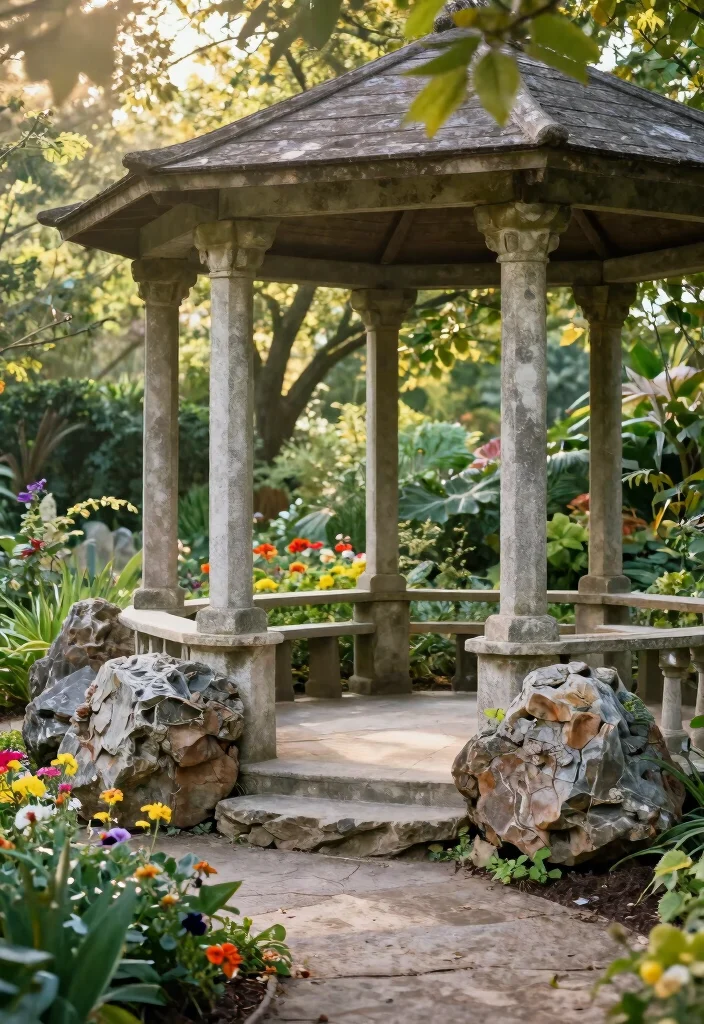
For those who appreciate a rustic aesthetic, heavy stones can serve as natural anchors for your gazebo. Strategically placed boulders offer solid support while harmonizing beautifully with your garden landscape. This method not only stabilizes your structure but also enhances the natural beauty of your outdoor space.
Choose large, heavy stones and arrange them around your gazebo’s corners. Not only will this provide optimal weight distribution, but you can also create a visually appealing stone garden bed that complements your gazebo.
Here’s how to make this work:
– Select stones that are substantial enough to resist strong winds.
– Position them at each corner for better stability.
– Design a stone garden bed that enhances your space’s visual appeal.
This technique is practical and adds a touch of natural elegance, making your gazebo an integral part of your garden landscape.
Heavy Stones and Boulders
Editor’s Choice


4. Ground Screw Anchors
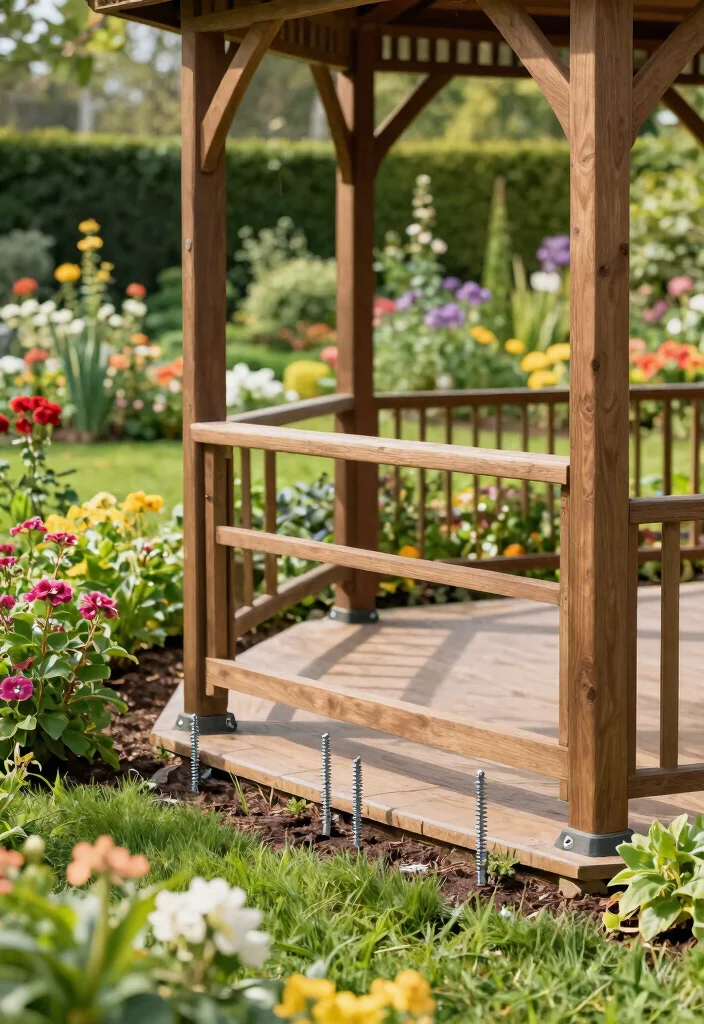
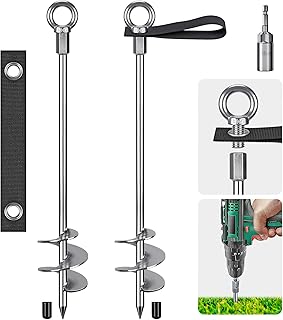
Ground screw anchors offer a modern twist for securing gazebos without the hassle of digging deep holes. These metal anchors screw directly into the ground, providing a reliable point of attachment that’s easy to install and reposition when necessary.
This anchoring solution is particularly effective in sandy or loose soil, ensuring your gazebo remains stable even during strong winds. Plus, they cause minimal disruption to the surrounding environment.
Benefits of ground screw anchors:
– Enjoy easy installation and reusability.
– Minimize soil disturbance for eco-friendliness.
– Perfect for sandy or loose ground conditions.
By using ground screw anchors, you can enjoy peace of mind knowing your gazebo will stay anchored securely while preserving your outdoor space.
Pro Tip: Ground screw anchors are one of the top gazebo anchoring ideas, cutting setup time in half—no digging required. In sandy soil, they grip better and let you reposition your gazebo with a quick twist, keeping wind protection simple.
Ground Screw Anchors
Editor’s Choice


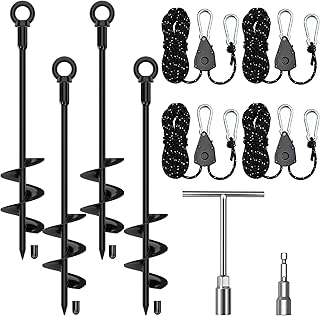
5. Windbreaks for Extra Protection
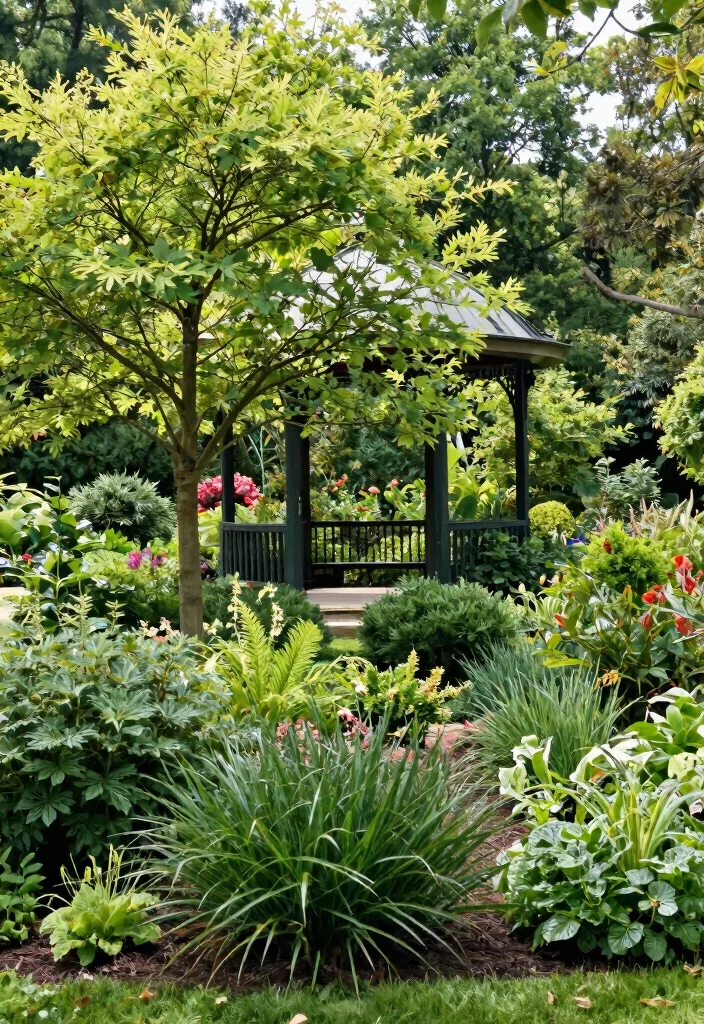
Implementing windbreaks around your gazebo is a fantastic way to enhance its stability and protect it from gusty weather. By strategically planting trees or shrubs, or even setting up trellises, you can effectively deflect strong winds, safeguarding your structure.
Select native plants that thrive in your area and position them at angles that block the prevailing winds. Trellises made from transparent materials can also provide shelter while maintaining visibility.
How to implement windbreaks:
– Choose plants that suit your climate and garden style.
– Position them to effectively block winds.
– Use transparent materials for trellises to enhance visibility.
By incorporating windbreaks, you not only protect your gazebo but also enrich your garden’s ecosystem, attracting beneficial wildlife and beautifying your outdoor space.
6. DIY Anchor Kits
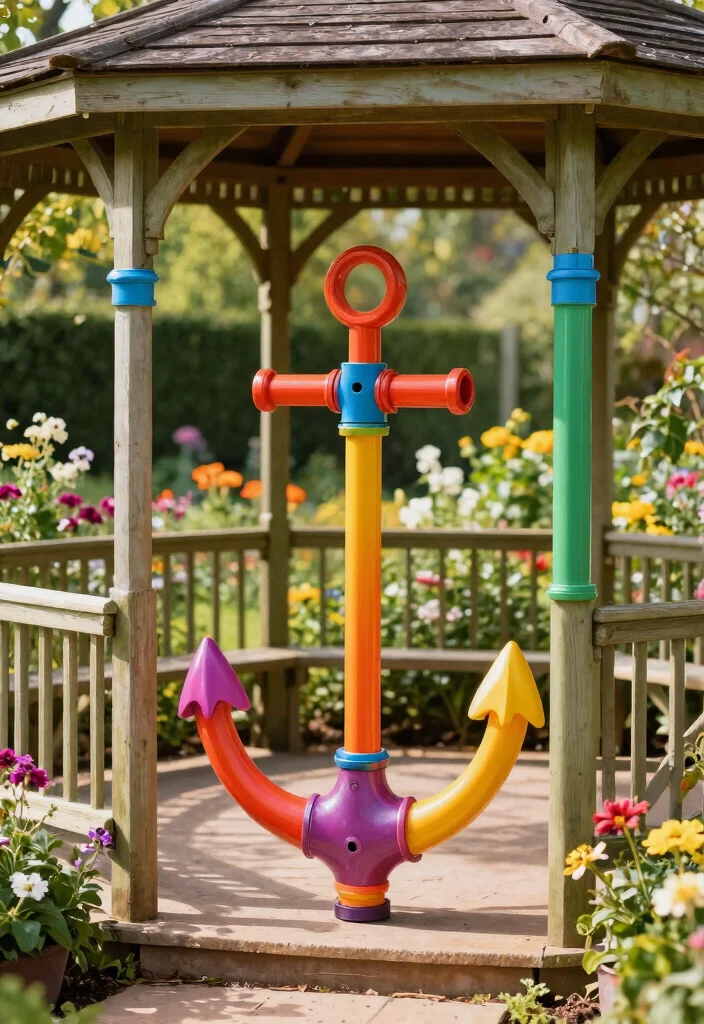
If you love hands-on projects, crafting your own DIY anchor kits can be a rewarding experience. Using materials like PVC pipes, rebar, and concrete, you can design a custom anchoring solution that fits your gazebo perfectly.
Gather your materials and create a system that distributes weight effectively while being easy to install. You can even personalize your anchor stands to match your gazebo’s design, adding a touch of creativity to your outdoor space.
Steps to create a DIY anchor kit:
– Collect PVC pipes, stakes, and concrete mix.
– Design a system for effective weight distribution.
– Decorate anchor stands to blend with your gazebo.
This approach allows you to showcase your creativity while ensuring your gazebo is securely anchored, resulting in a fulfilling project you can be proud of.
DIY anchor kits turn wind protection into a creative ritual—grab PVC, rebar, and concrete, and you’ll see real results. Gazebo anchoring ideas become personal art you can install this weekend. Start small, measure weight distribution, and customize stands to match your outdoor vibe.
DIY Anchor Kits
Editor’s Choice


Key Trade-offs & Our Top Pick
Option 1: Concrete Footings
– Pros:
– Provides strong support and stability for your gazebo.
– Long-lasting and durable against harsh weather conditions.
– Cons:
– Requires significant labor and time for installation.
– Can be costly due to materials and labor fees.
– Best for: Homeowners looking for a permanent solution in windy areas.
Option 2: Eco-Friendly Recycled Materials
– Pros:
– Sustainable choice that reduces waste and is environmentally friendly.
– Often cheaper and available at local recycling centers.
– Cons:
– May not offer as much strength and longevity as concrete.
– Quality can vary depending on the source of materials.
– Best for: Eco-conscious gardeners who want a budget-friendly option.
Option 3: Heavy Stones and Boulders
– Pros:
– Easy to set up; no tools needed.
– Provides immediate weight and stability against wind.
– Cons:
– Requires a flat surface to be effective.
– May shift over time if not secured properly.
– Best for: Gardeners who want a quick and temporary anchoring solution.
Option 4: Ground Screw Anchors
– Pros:
– Easy to install; no concrete required.
– Can be removed and reused for other projects.
– Cons:
– May not be suitable for all soil types, especially rocky ground.
– Can require special tools for installation.
– Best for: Renters or those needing a versatile anchoring option.
Option 5: Windbreaks for Extra Protection
– Pros:
– Creates a natural barrier against strong winds.
– Can enhance your garden’s aesthetics and biodiversity.
– Cons:
– Requires space and planning for the landscaping.
– Takes time to establish and grow.
– Best for: Gardeners looking for a dual-purpose solution that adds beauty and functionality.
Expert Recommendation:
Best Overall: Concrete Footings
Concrete footings provide unmatched stability and durability for your gazebo. They are a perfect long-term investment for those living in windy areas. While the initial installation takes time and effort, the peace of mind you gain from knowing your outdoor shelter is secure is well worth it.
Why We Picked This:
While concrete footings are the best overall choice, other options can suit different needs. If you’re on a tight budget or value sustainability, consider recycled materials. For temporary setups, heavy stones are a flexible option. Ground screw anchors suit renters or those wanting versatility. Windbreaks add beauty and function but require time and planning. Each option has its strengths and weaknesses, so choose what fits your situation best!
Conclusion
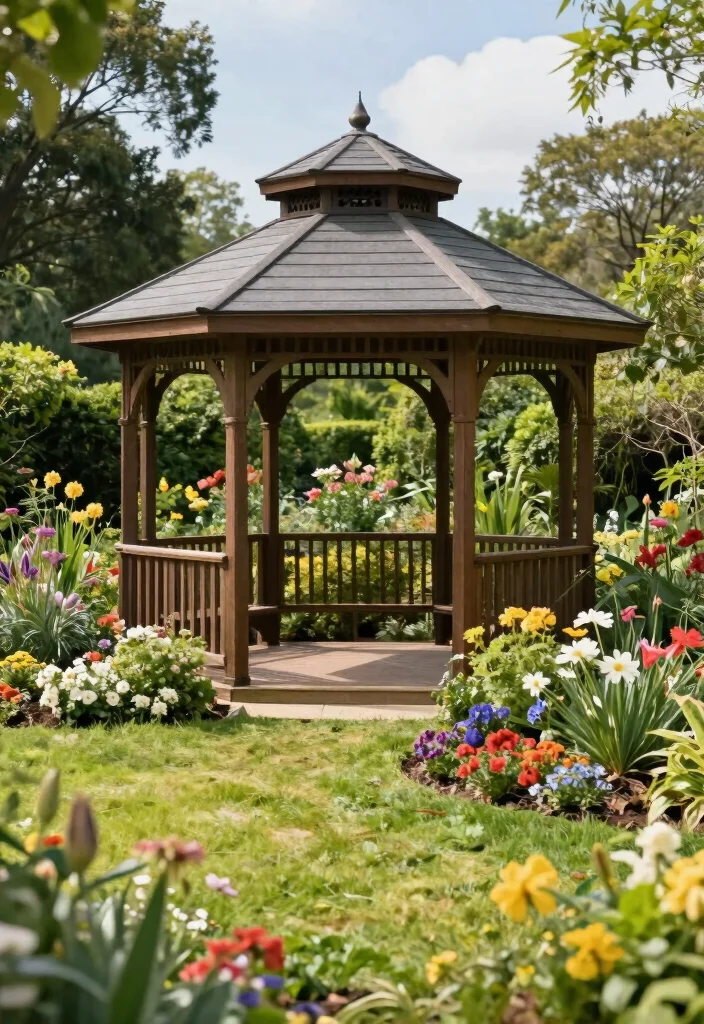
With these six safe gazebo anchoring ideas, you can create a stable outdoor shelter that enhances your gardening space while protecting it from the elements.
Using eco-friendly techniques not only contributes to sustainability but also adds charm and character to your garden.
By implementing these ideas, you’re not just securing your gazebo but also enriching your outdoor experience. Feel free to share your garden gazebo setup and any other anchoring techniques you’ve tried!
Note: We aim to provide accurate product links, but some may occasionally expire or become unavailable. If this happens, please search directly on Amazon for the product or a suitable alternative.
This post contains Amazon affiliate links, meaning we may earn a small commission if you purchase through our links, at no extra cost to you.
Frequently Asked Questions
What are the top gazebo anchoring ideas for wind protection in a sustainable garden?
These gazebo anchoring ideas help protect your gazebo from gusts while keeping your garden eco-friendly.
Permanent foundations like reinforced concrete footings or sturdy deck blocks create a solid, wind-resistant base.
Ground screws (earth screws) offer fast, reusable anchoring that works well in variable soils.
Ballast options such as eco-friendly concrete pavers or sandbags in breathable sleeves add weight without permanent digging.
Tensioned guy lines tied to solid anchors and paired with a lightweight windbreak (screen or lattice) reduce sway without blocking access.
Incorporate living windbreaks or decorative panels (trellis, hedges) to soften gusts while enhancing garden aesthetics.
Tip: follow gazebo stability tips, check for wind-rated equipment, and inspect anchors after big storms.
How can I choose the right anchors based on soil and space to improve wind resistance?
Choosing the right anchors starts with your soil, surface, and whether the setup is temporary or permanent.
Soft or loose soil? Use ground screws or augers for strong grip and easy removal.
Hard surfaces or decks? Use concrete footings with expansion bolts or post bases anchored to the surface.
On decks or patios, consider anchor brackets that distribute load evenly and don’t crack the surface.
Always anchor all four corners, use tension lines, and add a windbreak if margins allow. This aligns with anchoring techniques for gazebos and wind-resistant structures concepts.
What safety steps should I follow for an eco-friendly garden gazebo setup?
Outdoor shelter safety first. Check local codes and homeowner association rules for anchoring requirements, permit needs, and setback distances.
Choose anchors rated for your gazebo size and local wind loads, and install them according to manufacturer instructions.
Protect kids and pets by clearing anchor paths and avoiding trip hazards. Regularly inspect connections after storms and before seasons of high wind.
Use non-corrosive, garden-friendly materials and keep electricals away from water.
These steps support outdoor shelter safety and gazebo anchoring ideas in practice.
Can I use temporary anchoring methods for seasonal setups without sacrificing wind resistance?
Yes, you can achieve decent wind resistance with temporary methods if you choose sturdy, reusable options.
Opt for heavy-duty tie-downs, ratchet straps, or cam-buckle straps connected to solid anchors or stakes.
Use sandbags or filled ballast blocks for weight, ideally inside breathable sleeves to prevent shifting.
Combine with low-profile windbreaks like lattice panels or bamboo screens and ensure the gazebo is level.
Remember to check anchors after storms and remove or adjust setup when winds exceed manufacturer recommendations. This aligns with anchoring techniques for gazebos and wind-resistant structures.
How can I balance durability and aesthetics in a wind-resistant garden gazebo setup?
Durability doesn’t have to ruin style. Start with a sturdy frame and compatible anchors, then add aesthetic wind protection that still works with wind flow.
Choose eco-friendly materials (recycled steel, FSC wood, or aluminum) and decorative windbreaks like lattices or trellises that also support vines.
Use plant-based windbreaks (evergreen shrubs, tall grasses) planted nearby to reduce gusts naturally and improve privacy.
For weather-ready options, consider retractable screens or shade sails that lock in place during wind but roll away when calm.
All these ideas align with gazebo anchoring ideas and wind-resistant structures while keeping your garden sustainable.
![9 Smart Solo Stove Fire Pit Ideas [No Smoke, Just Vibes]](https://archibula.com/wp-content/uploads/2026/04/9-Smart-Solo-Stove-Fire-Pit-Ideas-No-Smoke-Just-Vibes-150x150.webp)